Sustainable construction is no longer a trend of the future – it’s a necessity of the present.
With increasing environmental awareness and new demands from clients and regulations, knowing how to integrate sustainable practices into a construction project has become a competitive differentiator.
This article brings together practical answers for those who want to understand what it is, how to apply it and why they should invest in sustainable construction.
Contents
- What does sustainable construction mean?
- Who should consider applying sustainable practices?
- Why is it worth investing in sustainable construction?
- When is the right time to apply sustainable solutions?
- Materials: how to choose greener options?
- Energy: solutions for greater efficiency
- Water: intelligent management in sustainable projects
- The role of waste: less waste, more planning
- Sustainable construction in practice: what we do at RoyalBuild
- FAQ
- Sustainability as the basis for lasting value
What does sustainable construction mean?
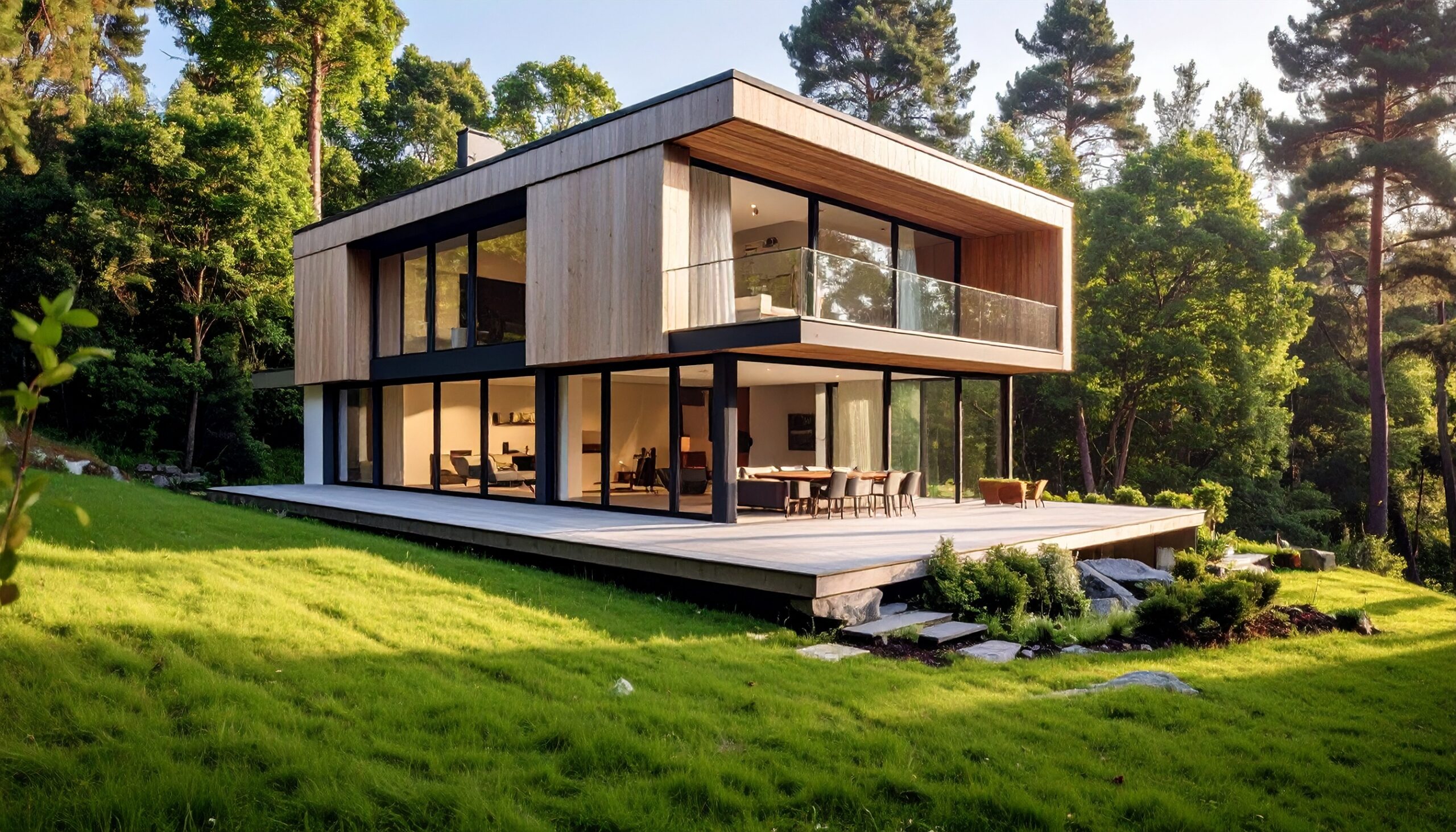
Sustainable construction is an approach that aims to reduce the environmental impact throughout the entire life cycle of the project, from planning to the use of the building.
It involves more conscious choices in terms of materials, energy, water, waste and social impact, promoting efficiency, durability, thermal comfort, better indoor air quality and harmonious integration with the surrounding environment.
It also considers long-term maintenance and the well-being of the occupants.
Who should consider applying sustainable practices?
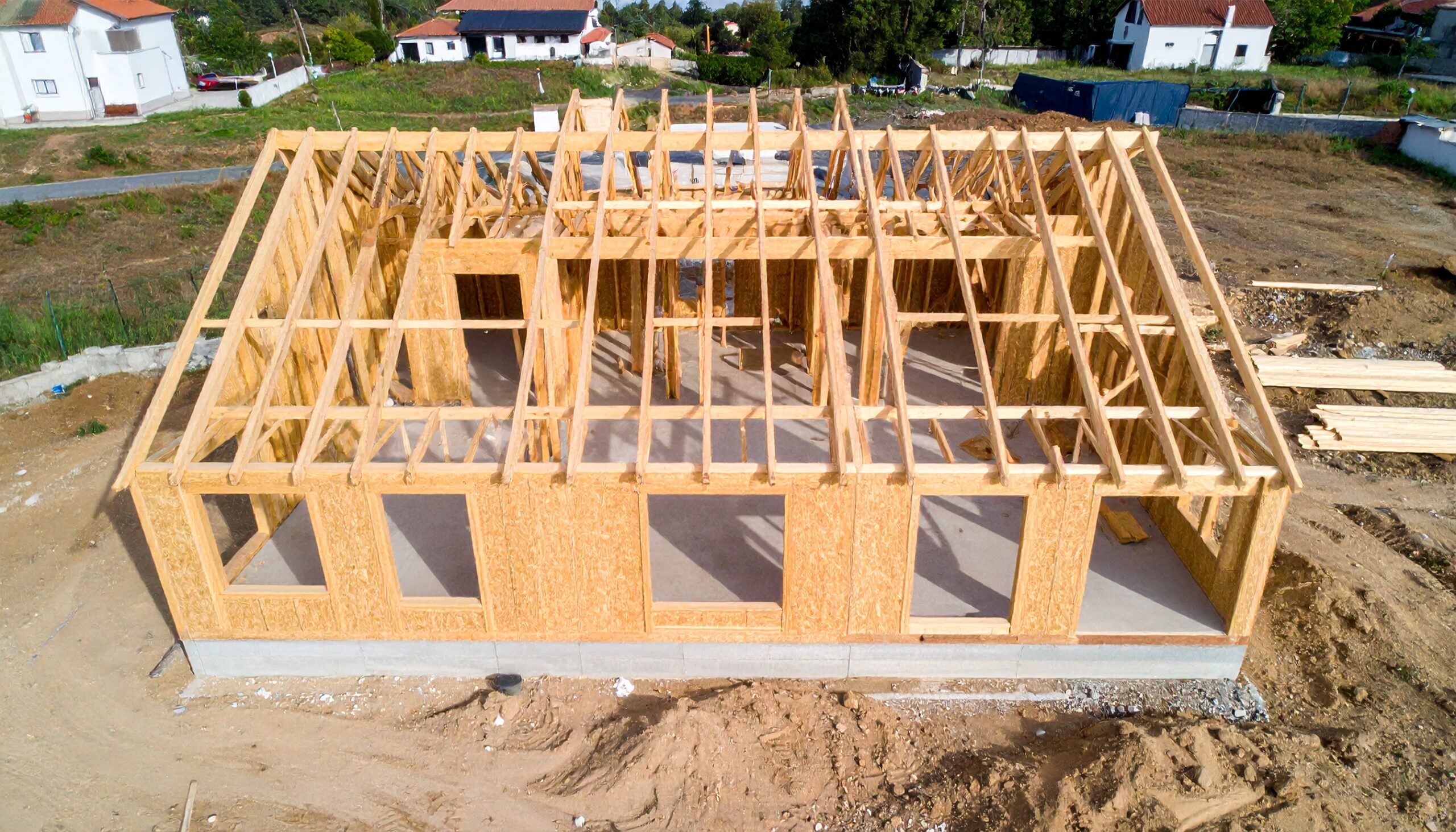
Architects, engineers, real estate developers and property owners can, and should, incorporate sustainable construction principles.
Whether it’s a new-build project or a refurbishment, the responsibility is collective and the benefit is mutual: for the planet and for the occupants of the property.
Why is it worth investing in sustainable construction?
In addition to the obvious benefits for the environment, sustainable construction reduces operating costs in the long term (thanks to energy and water efficiency), increases the value of the property and improves thermal and acoustic comfort.
Sustainable projects are also more in line with legal requirements and the expectations of conscious investors.
When is the right time to apply sustainable solutions?
Ideally, from the start of the project. Planning is the phase where you can predict consumption, choose suitable materials and design efficient solutions.
However, in later stages, it is still possible to apply various practices, such as insulation, water reuse systems or solar panels.
Materials: how to choose greener options?
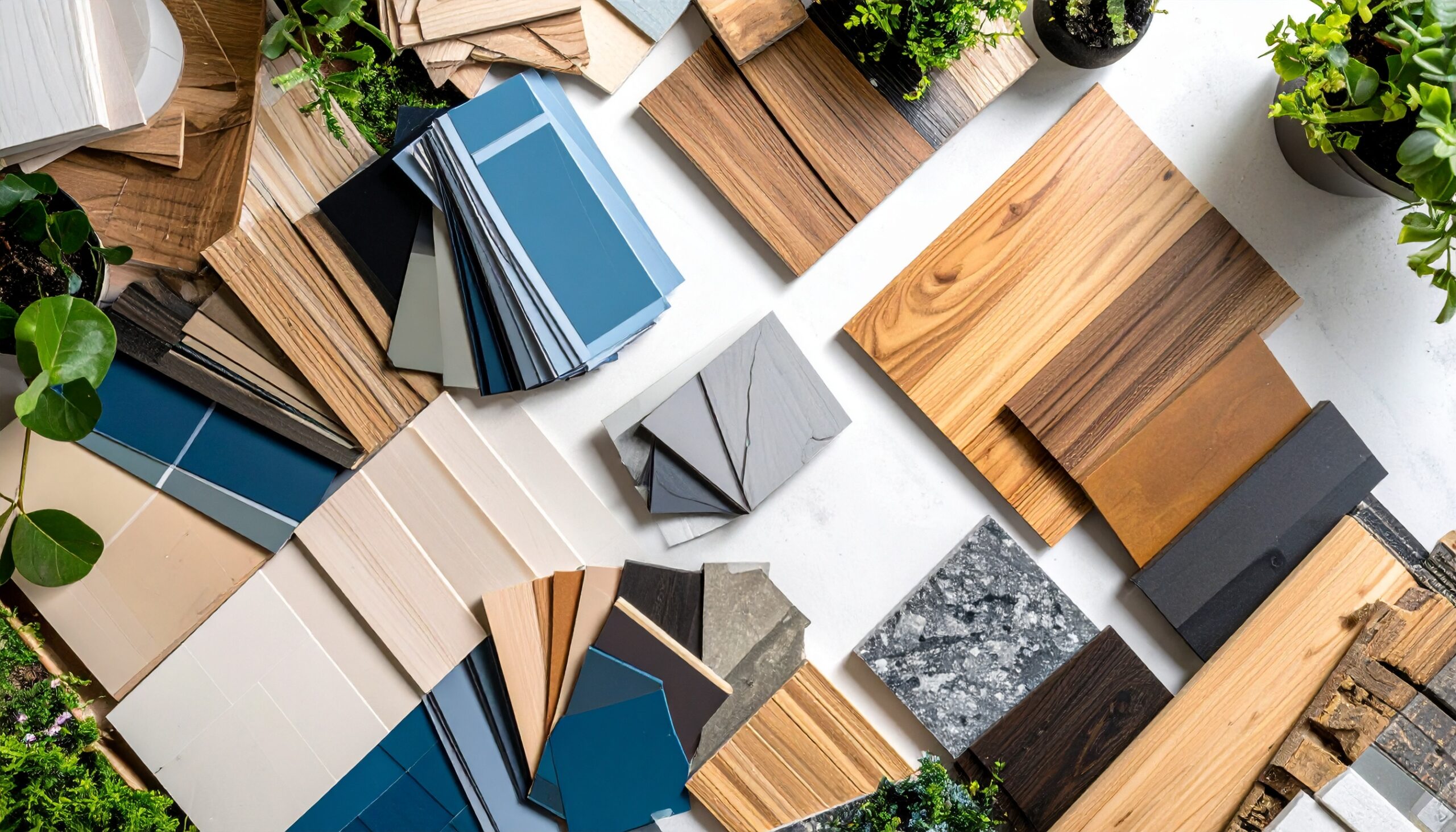
The selection of materials is one of the most important stages.
It prioritizes products with a low environmental impact, recycled or locally sourced, such as certified wood, paints without toxic compounds, cork or sheep’s wool insulation and thermal blocks.
It checks environmental labels and technical data sheets, ensuring durability, energy efficiency and compatibility with sustainable building practices. It is also important to assess the life cycle of materials and their long-term performance.
Energy: solutions for greater efficiency
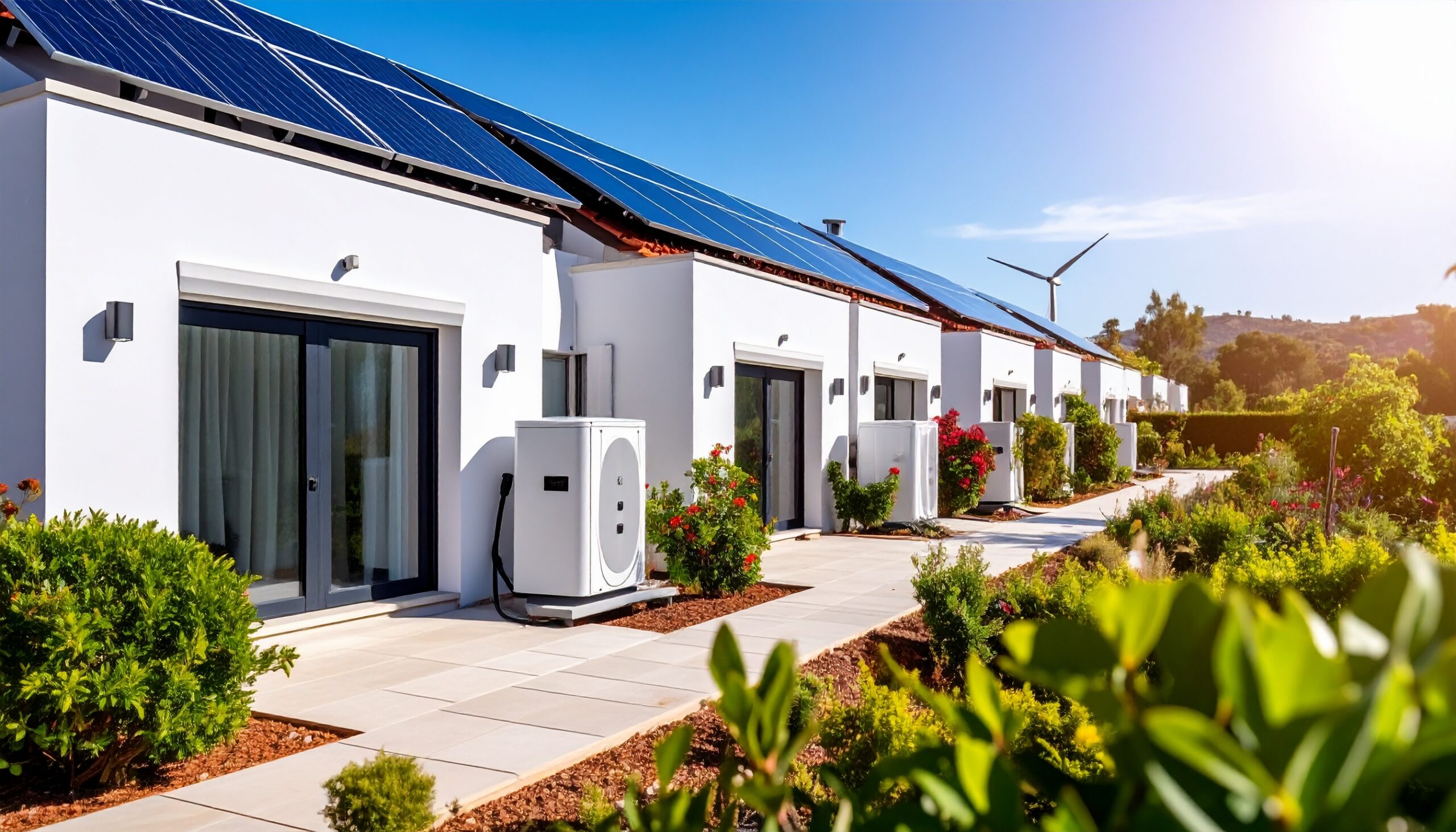
Sustainable construction involves the rational use of energy. This can be done with:
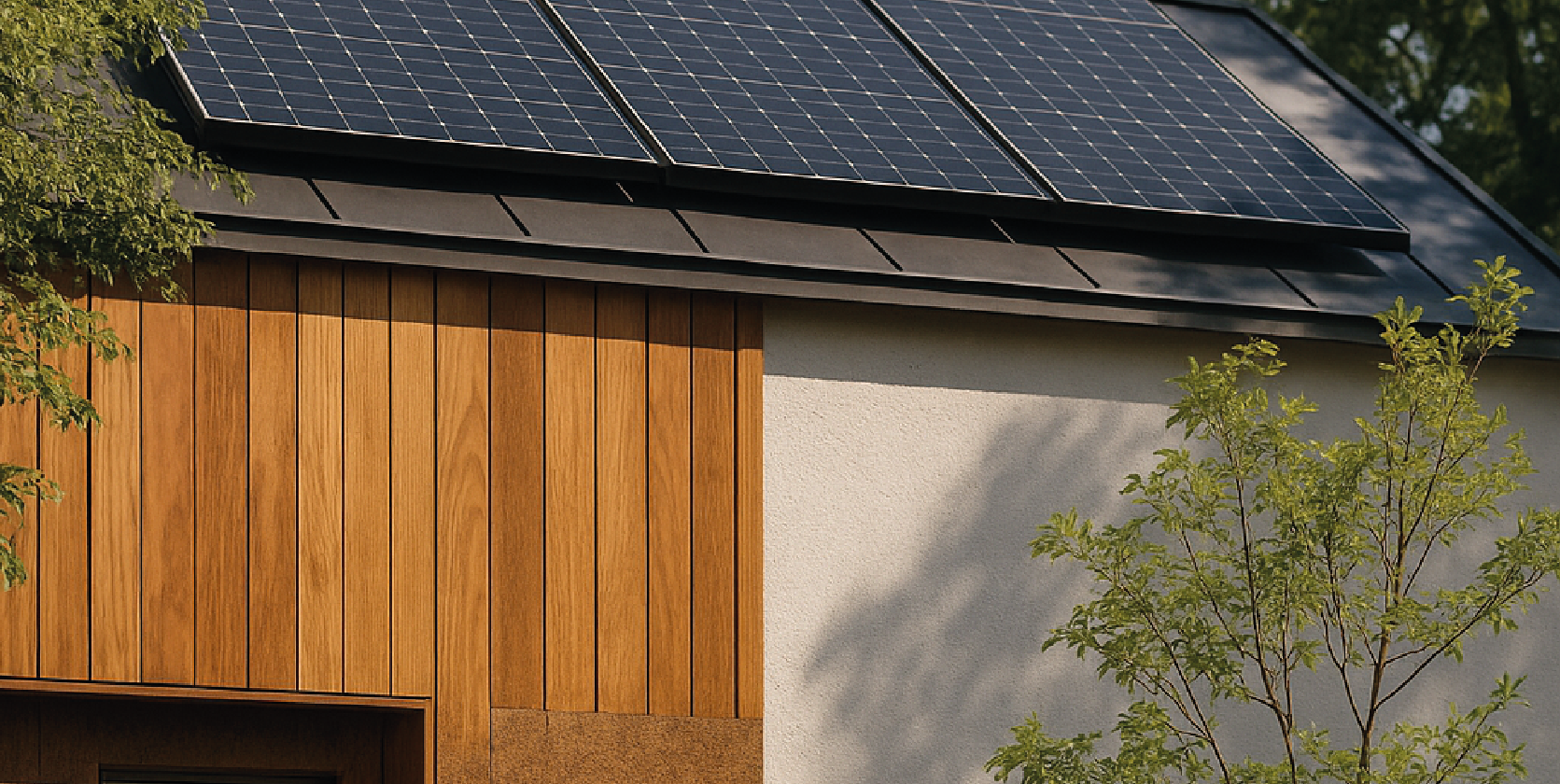
- Photovoltaic or thermal solar panels
- Solar orientation of the building
- Efficient insulation in walls, roofs and windows
- Natural ventilation systems
- LED lighting and presence sensors
The sum of these elements can drastically reduce the need for artificial air conditioning and energy consumption.
Water: intelligent management in sustainable projects
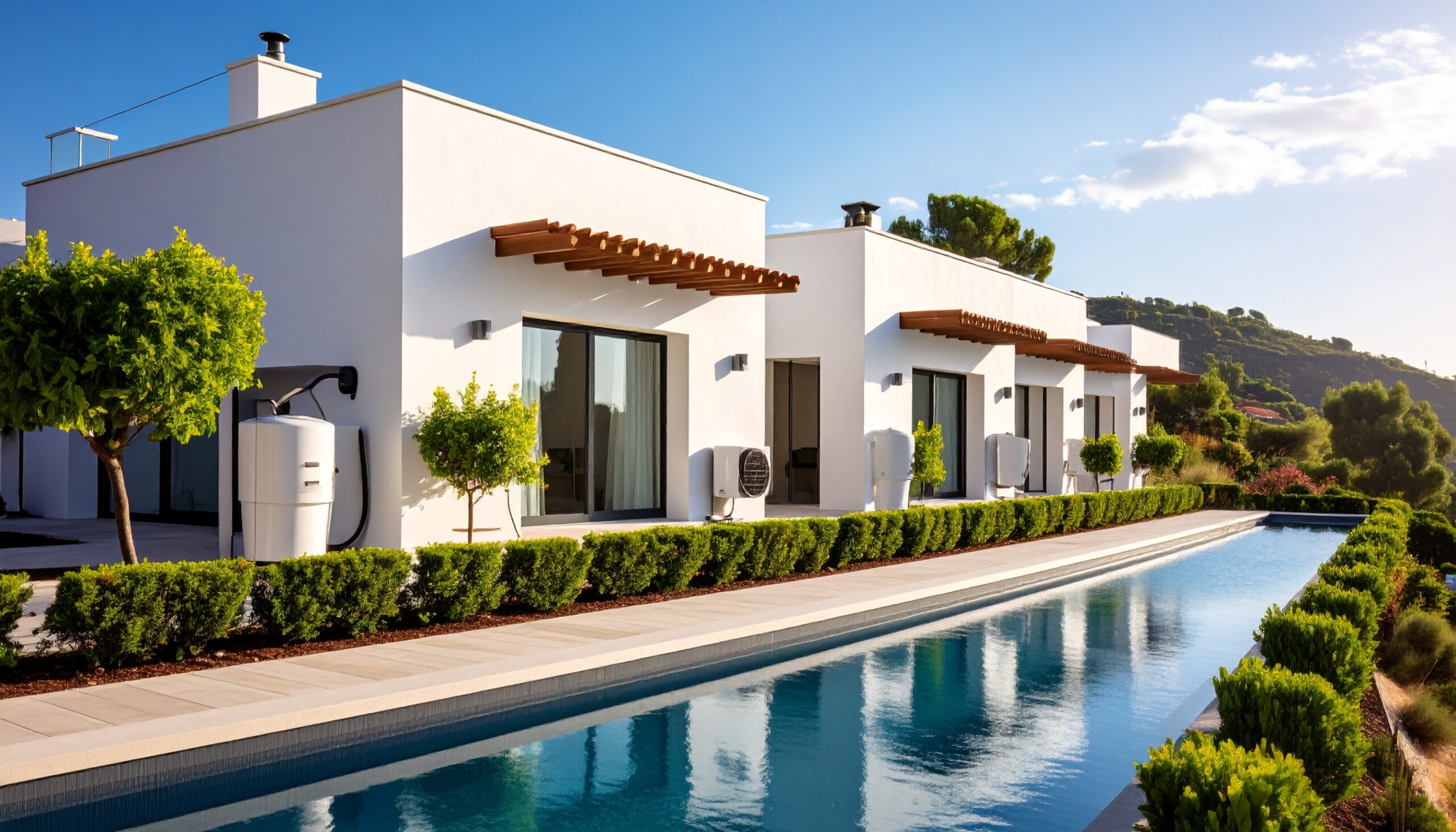
Water management is another pillar of sustainable construction. Consider including:
- Rainwater collection systems
- Reuse of gray water for flushing toilets or irrigation
- Low-consumption taps and cisterns
- Gardens with native species and low watering
These solutions help preserve a scarce resource and reduce monthly bills.
The role of waste: less waste, more planning
Sustainability also involves reducing construction waste. This starts right at the planning stage:
- Precise budgeting to avoid waste
- Reuse of materials from other projects
- Debris recycling
- Proper sorting on site
Promoting a clean works culture is not only environmentally positive, but also a sign of professionalism.
Sustainable construction in practice: what we do at RoyalBuild
At RoyalBuild, sustainable construction is integrated from the planning stage through to execution.
We work with partners who favor eco-friendly materials, we adapt each project to the solar orientation, we favor thermal insulation and whenever possible we suggest renewable energy solutions.
It’s not just about meeting standards, it’s about doing better. We design houses and buildings adapted to the Algarve’s climate, taking advantage of natural conditions to reduce consumption and ensure occupant comfort.
If you want to know more about how we started a project in the Algarve, you can check out this article on villa construction.
FAQ
1. Is sustainable construction more expensive?
It may have a slightly higher initial cost, but it reduces long-term energy, water and maintenance costs.
2. Is it possible to apply these practices in rehabilitation?
Yes. Even in renovations, it is possible to improve insulation, update systems and opt for more sustainable materials.
3. Do I need certifications for a project to be considered sustainable?
Not necessarily. Certifications such as LEED or BREEAM are a plus, but following good practices is a great start.
Sustainability as the basis for lasting value
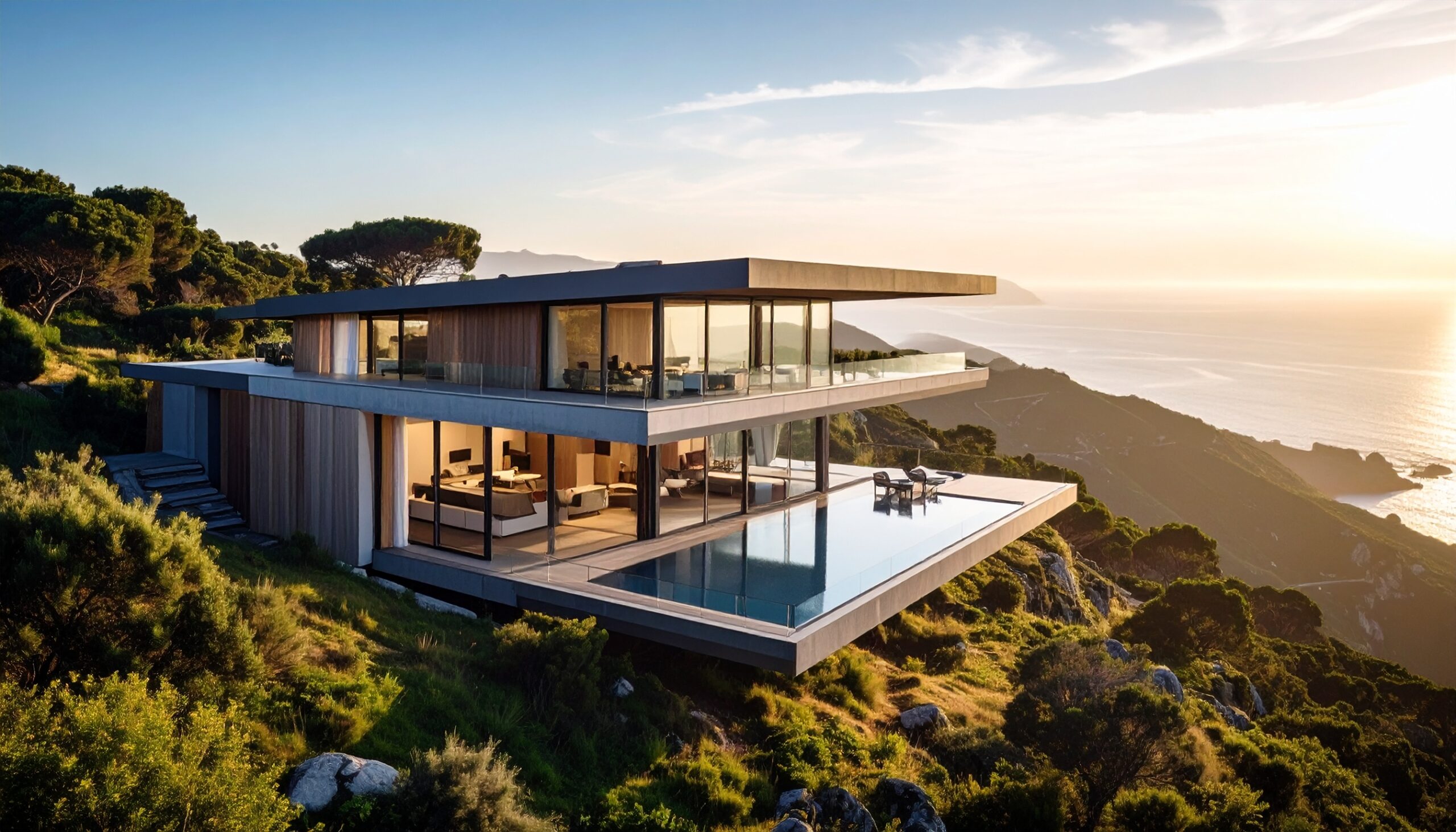
Including sustainable construction in projects is no longer an optional choice, but a responsible and strategic approach.
The professionals and individuals who understand this today are building a more efficient, more comfortable future with greater market value.
At RoyalBuild, we are prepared to work alongside customers and partners who share this vision.