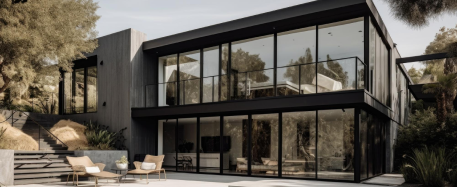
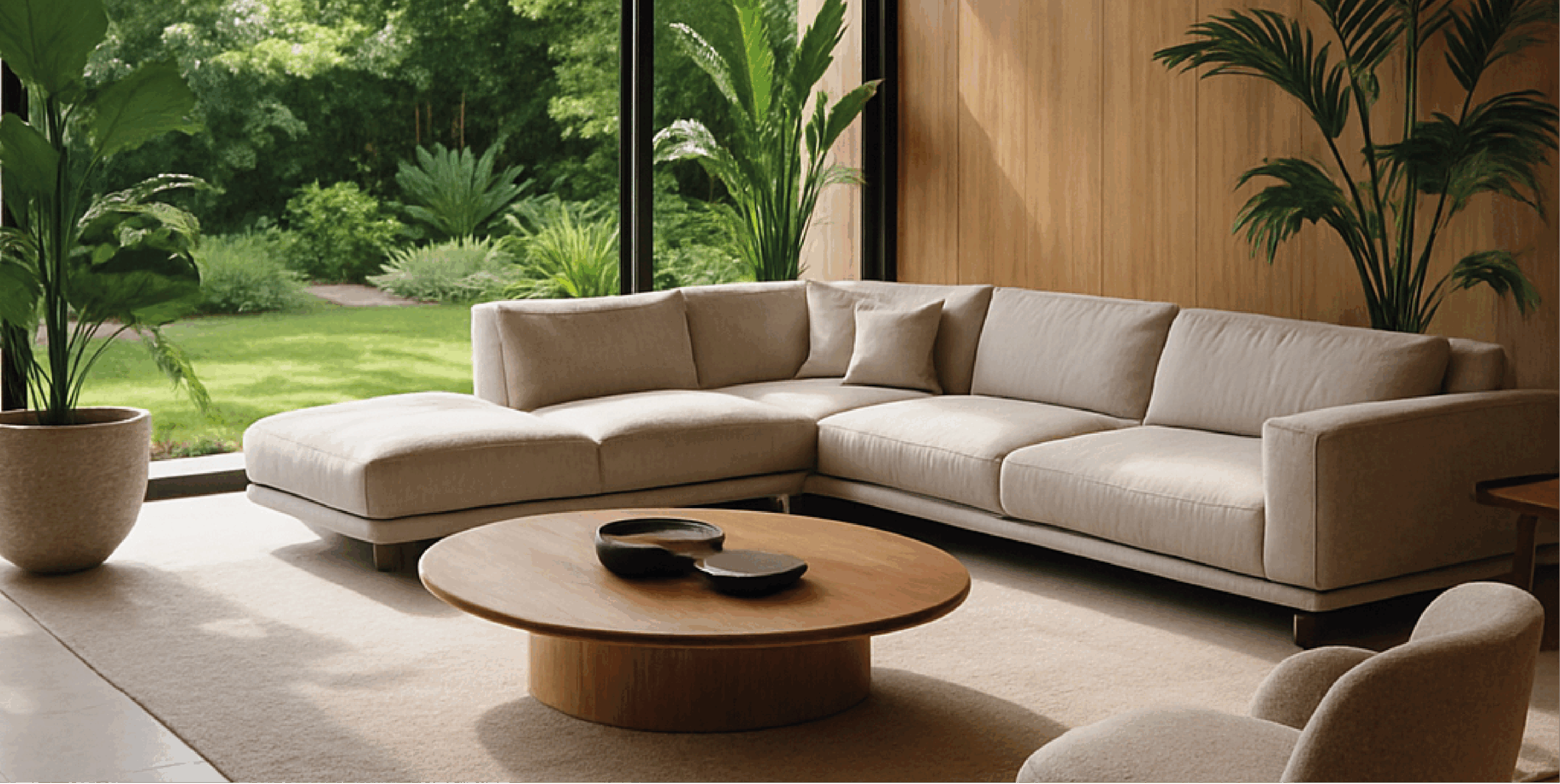
Biophilic design has been gaining prominence in contemporary architecture and interior design, especially in regions such as the Algarve, where the relationship with nature is an essential part of the lifestyle.
But what is biophilic design and how can it be integrated into modern homes? This article is designed for those who want to create healthier, more welcoming environments that are connected to the natural environment, without sacrificing sophistication and functionality.
Contents
- What is Biophilic Design?
- Benefits of Biophilic Design in Modern Homes
- Essential Elements of Biophilic Design
- Visual and Physical Integration with Nature
- Natural Materials
- Stimulating the senses
- How to Apply Biophilic Design in Practice
- Living Room
- Kitchen
- Bathroom
Bedroom
- Biophilic Design and Sustainability
- Current Trends and Innovations in Biophilic Design
- RoyalBuild’s Role in Integrating Biophilic Design
- FAQ
- Live in Harmony with Nature
What is Biophilic Design?
The term “biophilic” derives from “biophilia”, a concept that describes the natural affinity of human beings with nature. Biophilic design, in turn, aims to integrate natural elements into built spaces to promote physical and emotional well-being.
More than an aesthetic trend, it’s an approach centered on health, productivity and quality of life.
Benefits of Biophilic Design in Modern Homes
Investing in biophilic design brings a number of advantages, such as:
- Improving air quality: by introducing natural plants that purify the environment.
- Stress reduction: the presence of natural elements is associated with lower levels of anxiety.
- Increased creativity and productivity: especially in homes with integrated workspaces.
- Real estate appreciation: houses with biophilic design are perceived as more modern and sustainable.
Essential Elements of Biophilic Design
When applying biophilic design in a modern home, it is essential to take into account three principles: visual and physical integration with nature, the use of natural materials and the activation of the senses.
1. visual and physical integration with nature
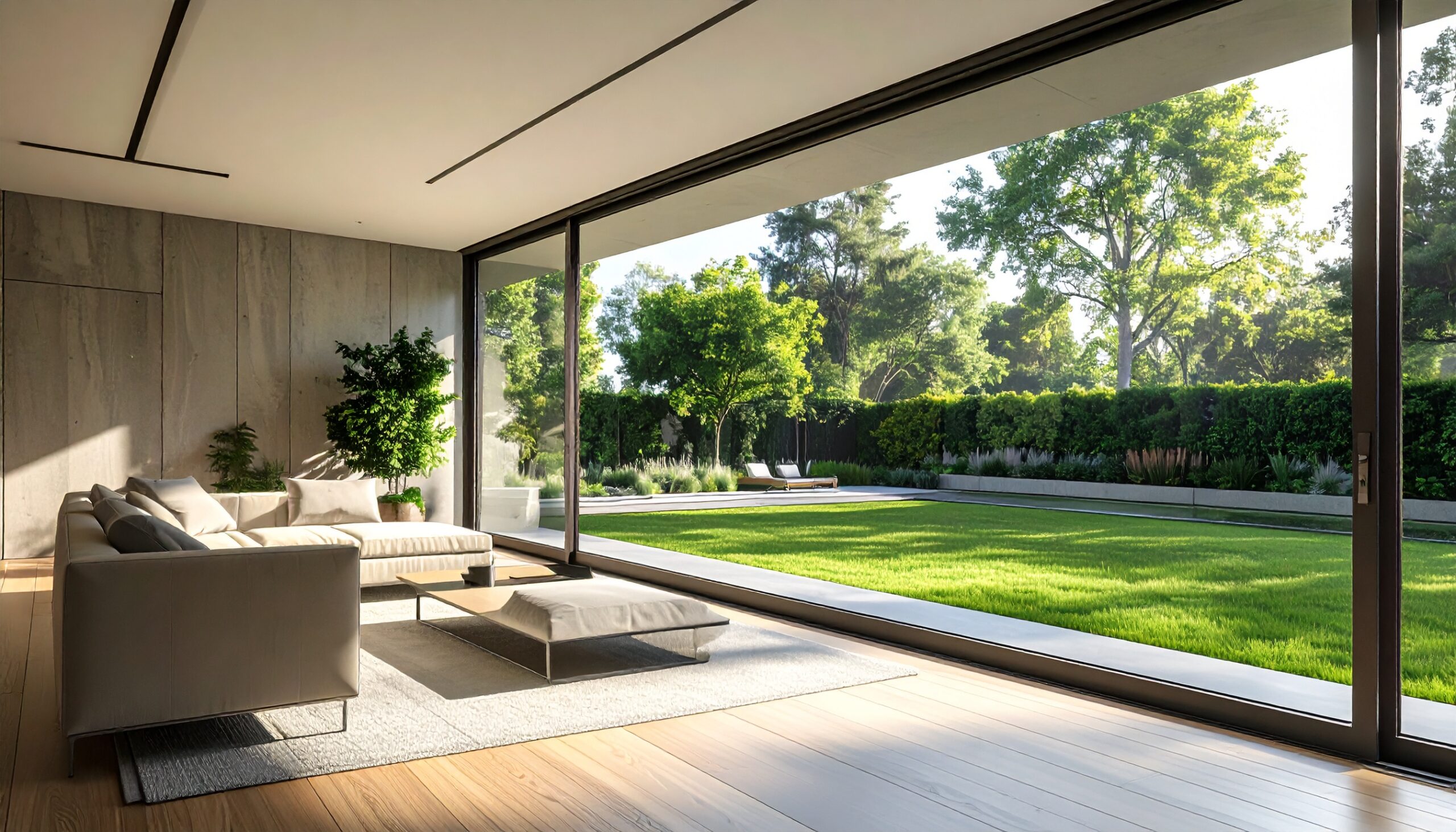
- Green views: ensure that windows and balconies overlook gardens, trees or other natural elements.
- Outdoor spaces: create internal patios, terraces and balconies with abundant vegetation.
- Opening to the outside: use sliding glass doors to extend the indoor-outdoor connection.
2. Natural materials
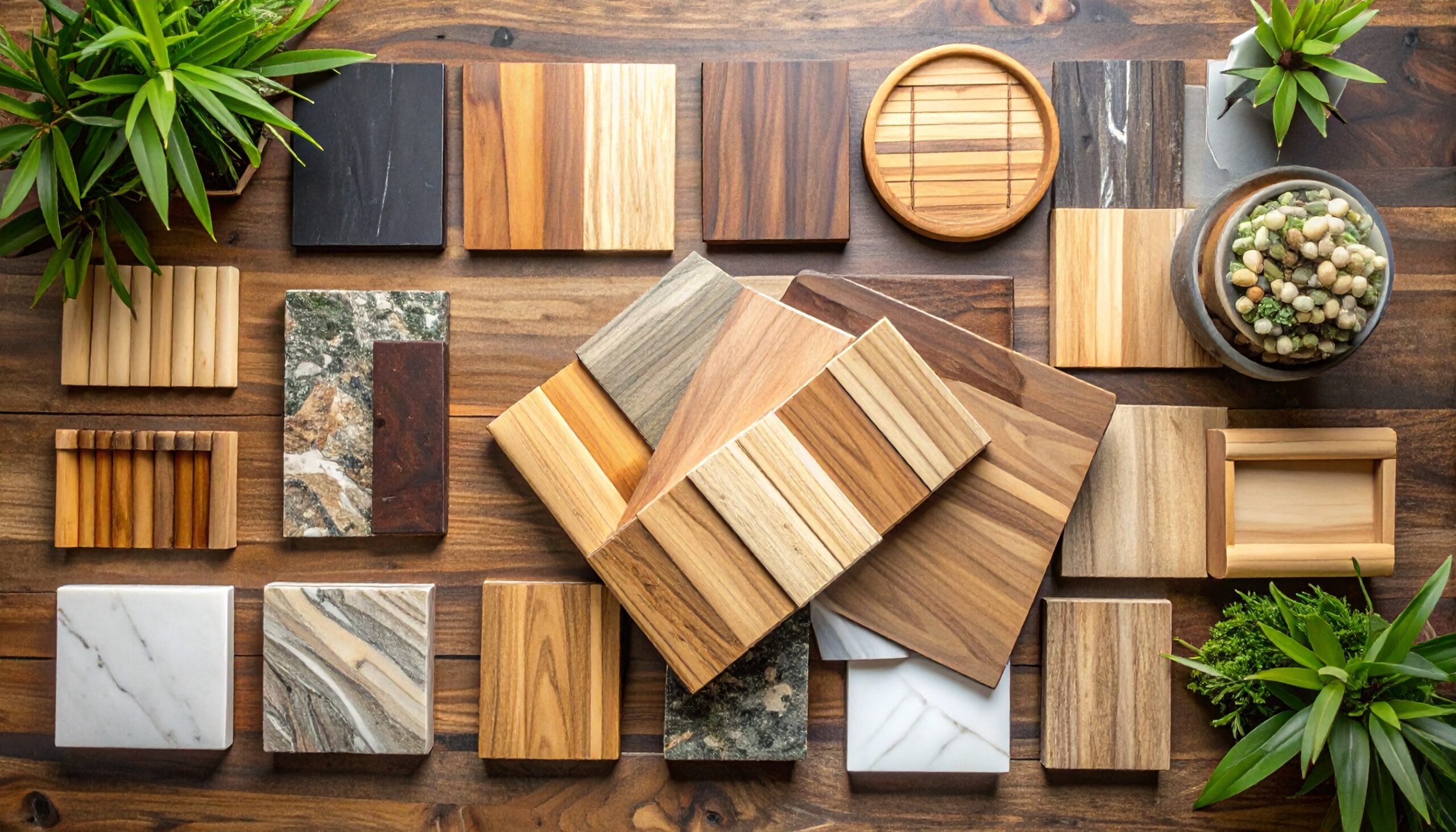
- Wood, stone, bamboo, cork: incorporate these materials into flooring, coverings and furniture.
- Organic textures: prefer surfaces with a natural finish to synthetic or polished materials.
3. Stimulating the senses
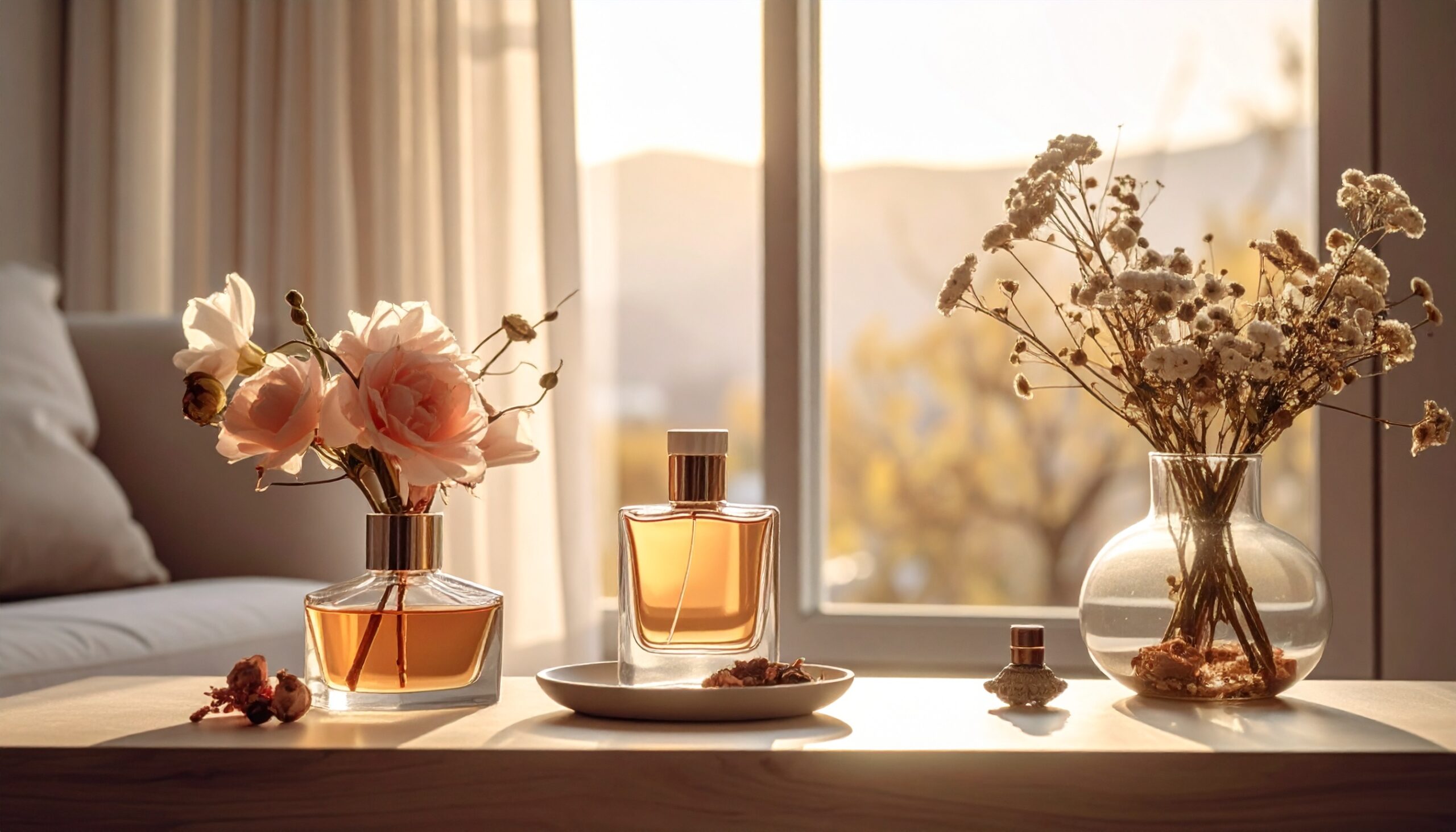
- Sound: integrate elements such as fountains or small water mirrors that provide relaxing sounds.
- Aroma: use aromatic plants and materials such as natural wood that exude soft fragrances.
- Natural light: maximize light throughout the day, complementing with warm artificial light.
How to Apply Biophilic Design in Practice
The application of biophilic design in modern homes must be personalized, respecting the architecture of the house and the habits of its occupants. Here are some ways to do it effectively:
Living Room
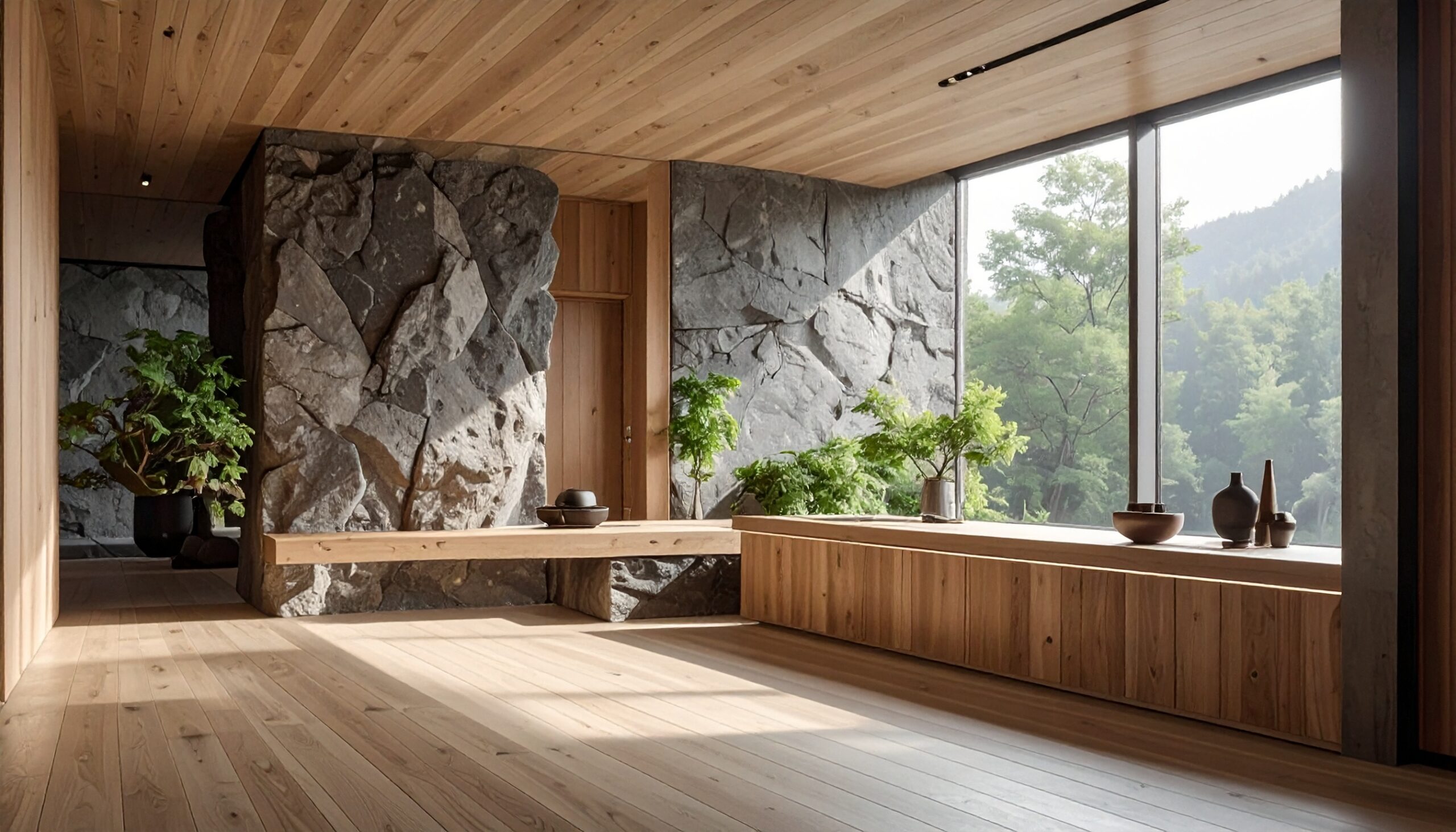
- Bet on large openings to the outside.
- Choose furniture made from natural wood and fabrics such as linen or cotton.
- Incorporate indoor plants such as ficus, monstera or small palm trees.
Kitchen
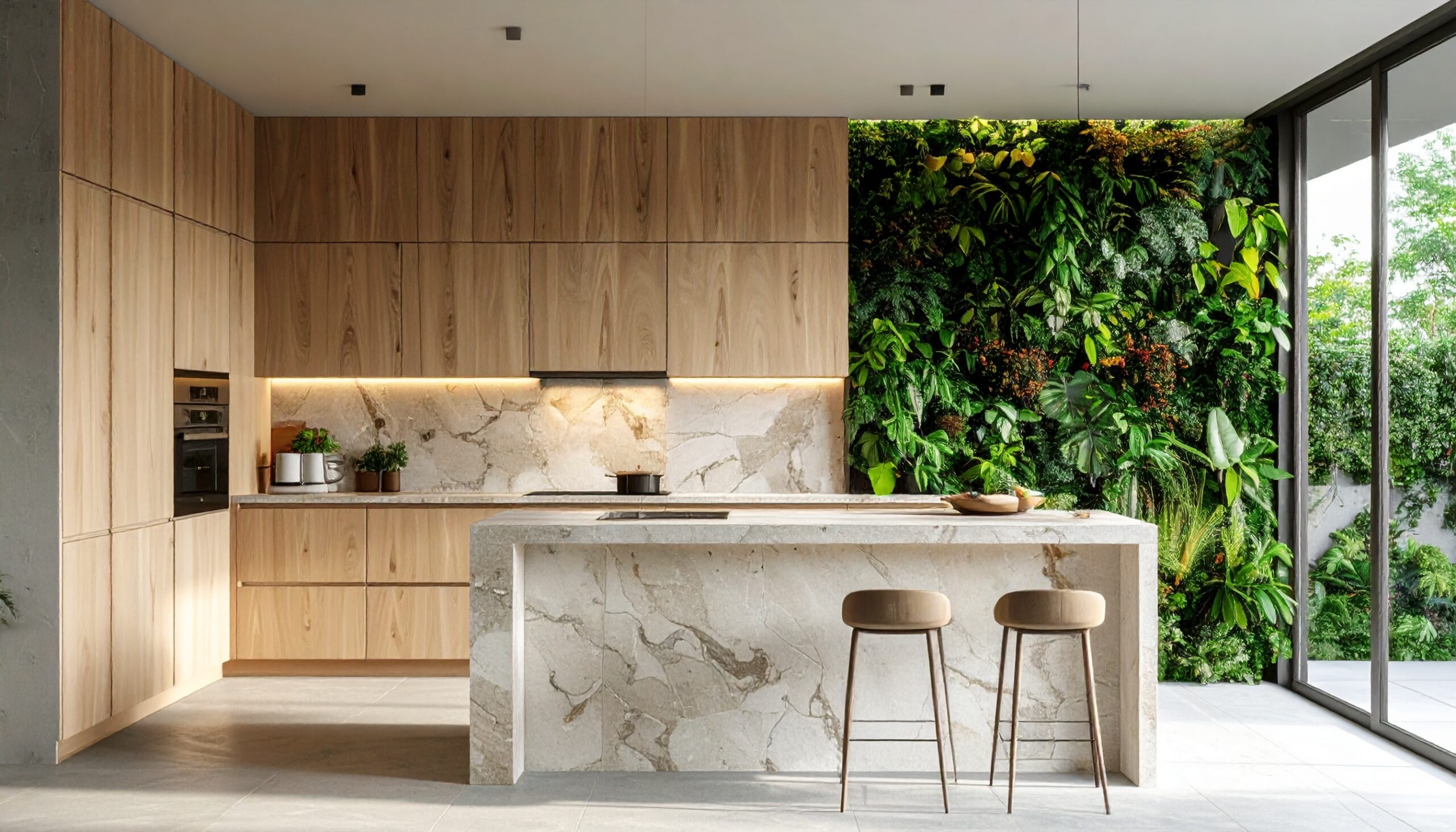
- Use natural stone worktops and light wood cabinets.
- Have a vertical vegetable garden or pots of aromatic herbs.
- Generous natural lighting, combined with warm-toned LED lights.
Bathroom
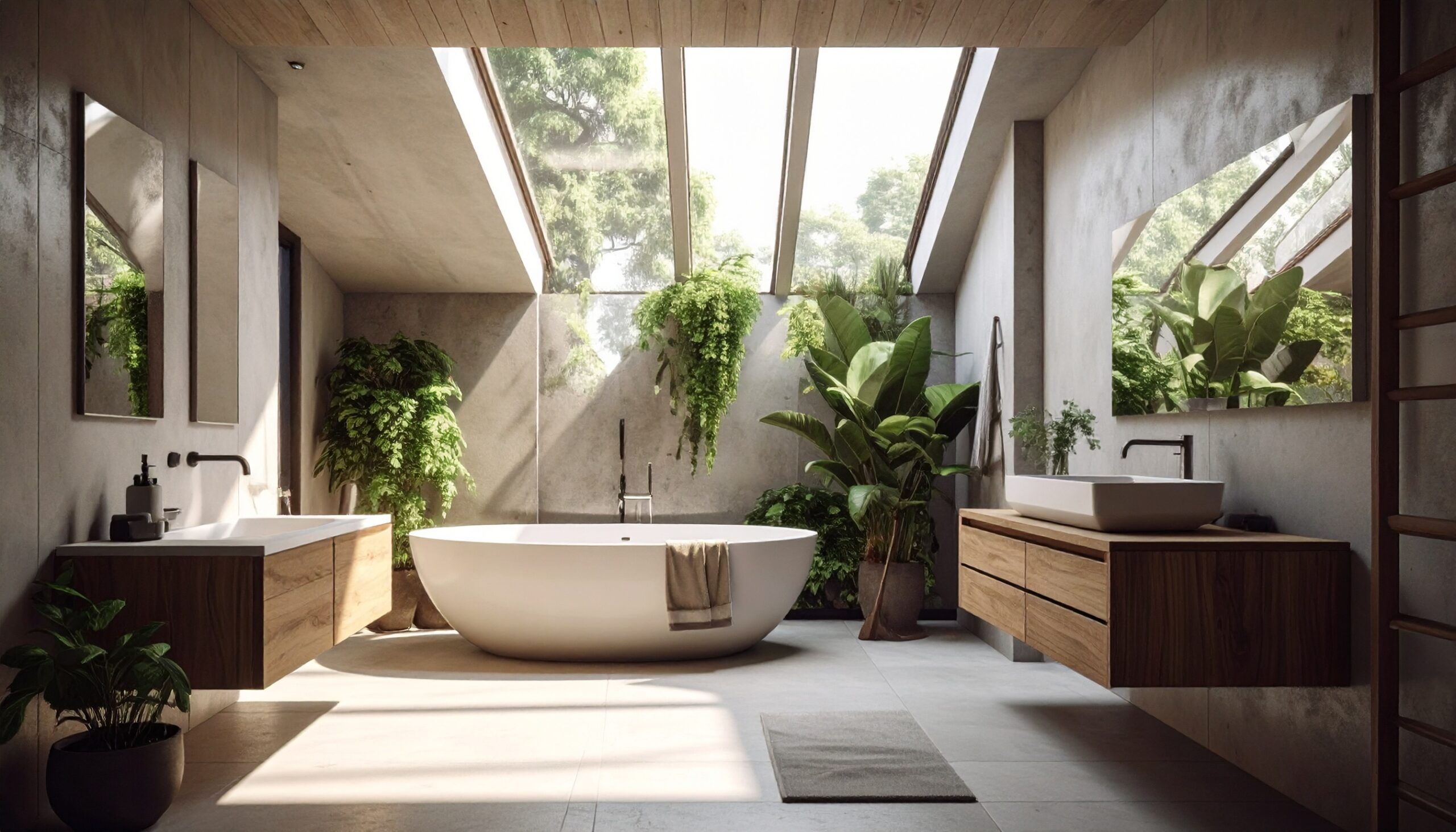
- Install natural light through skylights or high windows.
- Use stone, cement or treated wood cladding.
- Add plants that tolerate humidity, such as ferns and peace lilies.
Bedroom
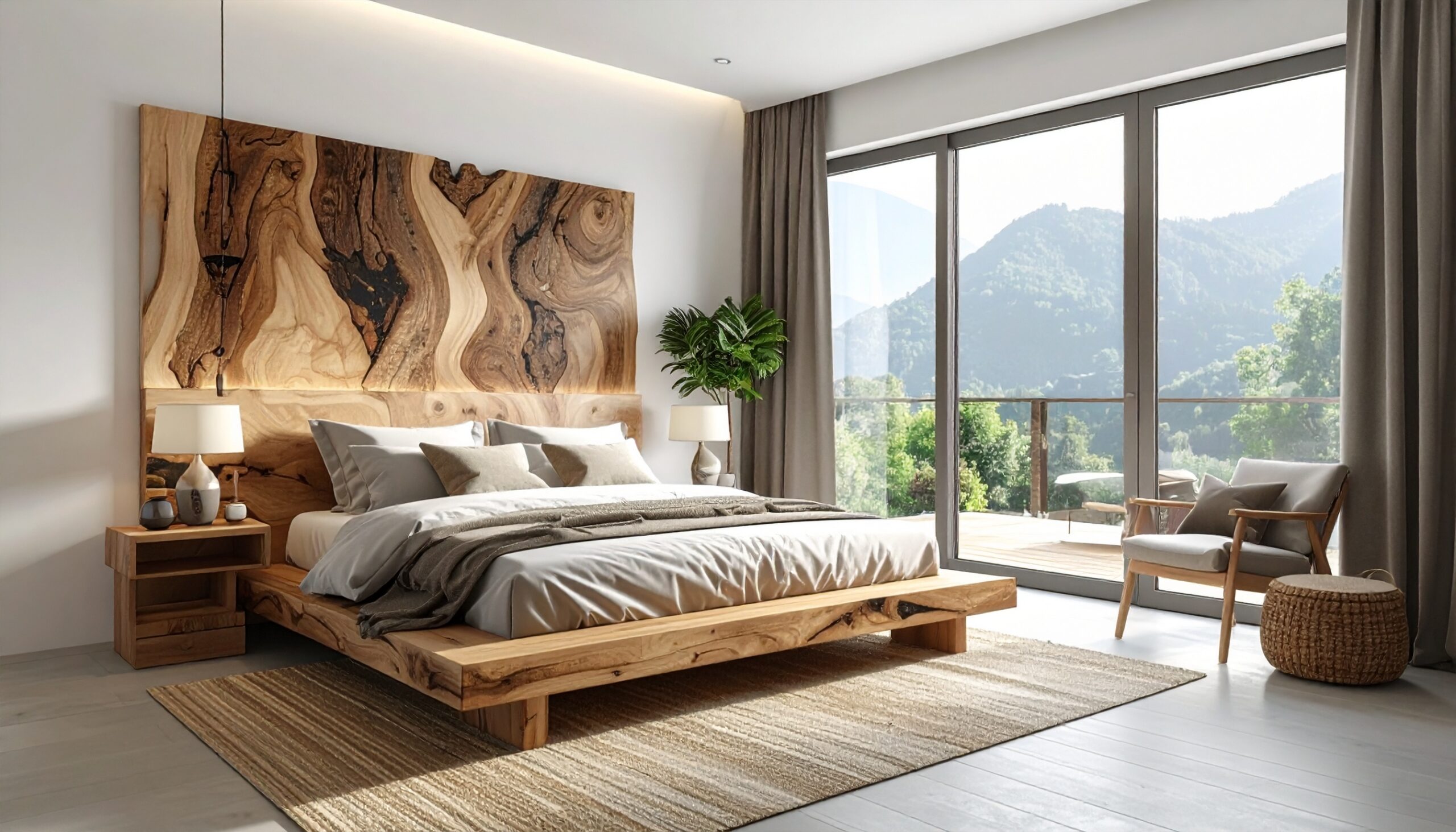
- Choose a headboard made of natural wood or wicker.
- Position the bed with a view of the outside.
- Include elements such as natural fiber rugs and faint scents of lavender or cedar.
Biophilic Design and Sustainability
Biophilic design is closely linked to sustainability. By prioritizing local, durable materials with a low ecological footprint, it helps to reduce environmental impact. In addition, houses that are well integrated with the outdoors require less artificial air conditioning, generating energy efficiency.
Current Trends and Innovations in Biophilic Design
With the evolution of technologies and ecological awareness, biophilic design is also reinventing itself:
- Digital biophilia: integrating digital images, sounds and fragrances to simulate natural environments.
- Intelligent automation systems: which regulate light, temperature and humidity according to natural rhythms.
- Living architecture: use of vegetated façades and green roofs as a structural part of the building.
RoyalBuild’s Role in Integrating Biophilic Design
At RoyalBuild, biophilic design is an approach that runs through every stage of the project, from conception to decoration. We work to create homes that not only respect the environment, but celebrate it.
The Algarve, with its mild climate and stunning natural landscapes, is the ideal setting for applying biophilic design in an authentic way. We favor local materials, collaborate with architects who are sensitive to sustainability and ensure that each project has a true relationship with the surrounding nature.
FAQ
1. What differentiates biophilic design from design with plants?
Biophilic design is not just about the presence of decorative plants. It is an integrated approach that involves light, materials, textures, sounds and even scents to create an authentic connection with nature.
2. Can I apply biophilic design to a house that has already been built?
Yes. Many principles of biophilic design can be incorporated into renovations or small changes, such as adding skylights, choosing natural materials and introducing greenery.
3. Does biophilic design make construction more expensive?
It depends on your choices. Some natural materials may cost more, but the long-term benefits in comfort, health and energy efficiency often outweigh the initial investment.
4. Is biophilic design suitable for all architectural styles?
Yes. Although it has a greater affinity with contemporary, minimalist or organic styles, it can be adapted to different architectural approaches.
5. What are the most recommended plants for biophilic interior design?
Ficus lyrata, monstera deliciosa, ferns, palm-raphis, peace lily and aromatic herbs such as rosemary and basil are great options.
Live in Harmony with Nature
Applying biophilic design to modern homes is more than an aesthetic choice, it’s a commitment to well-being, sustainability and harmony with the environment. For those looking for a home where nature is present in every detail, this approach represents a real evolution in the way we live.
If you want to transform your home into a healthier space connected to the natural world, the RoyalBuild team is ready to accompany you at every stage of the project.
Explore the potential of biophilic design with us and discover a new way of living in the present with an eye on the future.