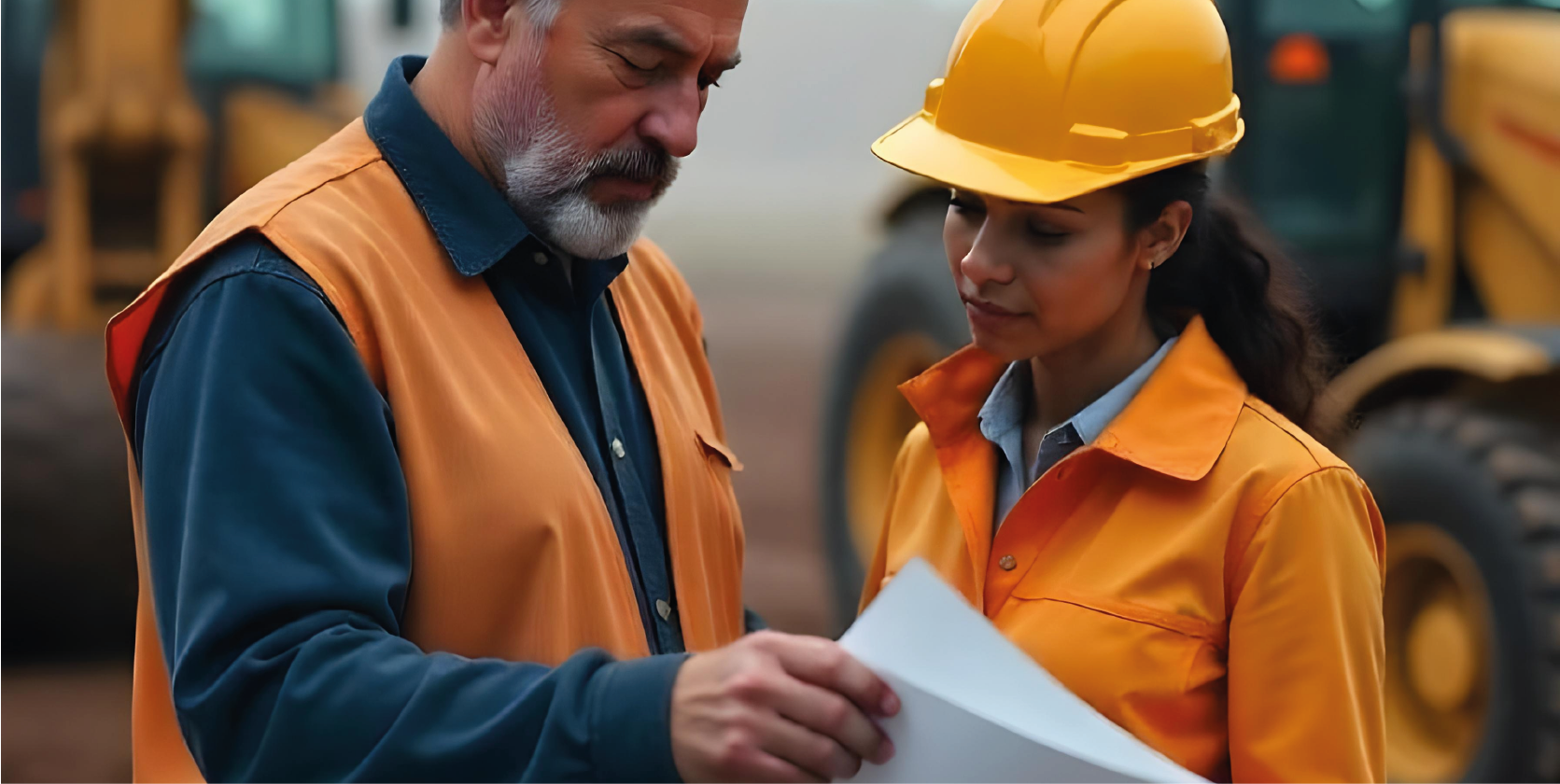
In the world of construction, there is an expression that holds true in any context: the success of a project begins with planning.
For architects, engineers, designers and real estate agents, construction planning is not just a technical phase – it’s a strategic starting point that impacts all results, from execution time to the perception of quality by the end client.
In this article, we look at the role of construction planning from the point of view of the professionals involved in projects and highlight how a well-structured approach can avoid failures, protect reputations and optimize collaboration between teams.
Key points
- Construction planning is essential to align design, execution and deadlines.
- Professionals benefit from organized teams with a clear technical vision.
- A good work begins long before the first stone.
- The Algarve requires precise planning, adapted to the local context.
Contents
- What construction planning involves
- Impact of planning for architects and engineers
- Communication and alignment: the value for designers and real estate agents
- Construction planning in the Algarve
- What distinguishes a good partner in the planning phase
- Strong projects are born from good planning
1. What construction planning involves
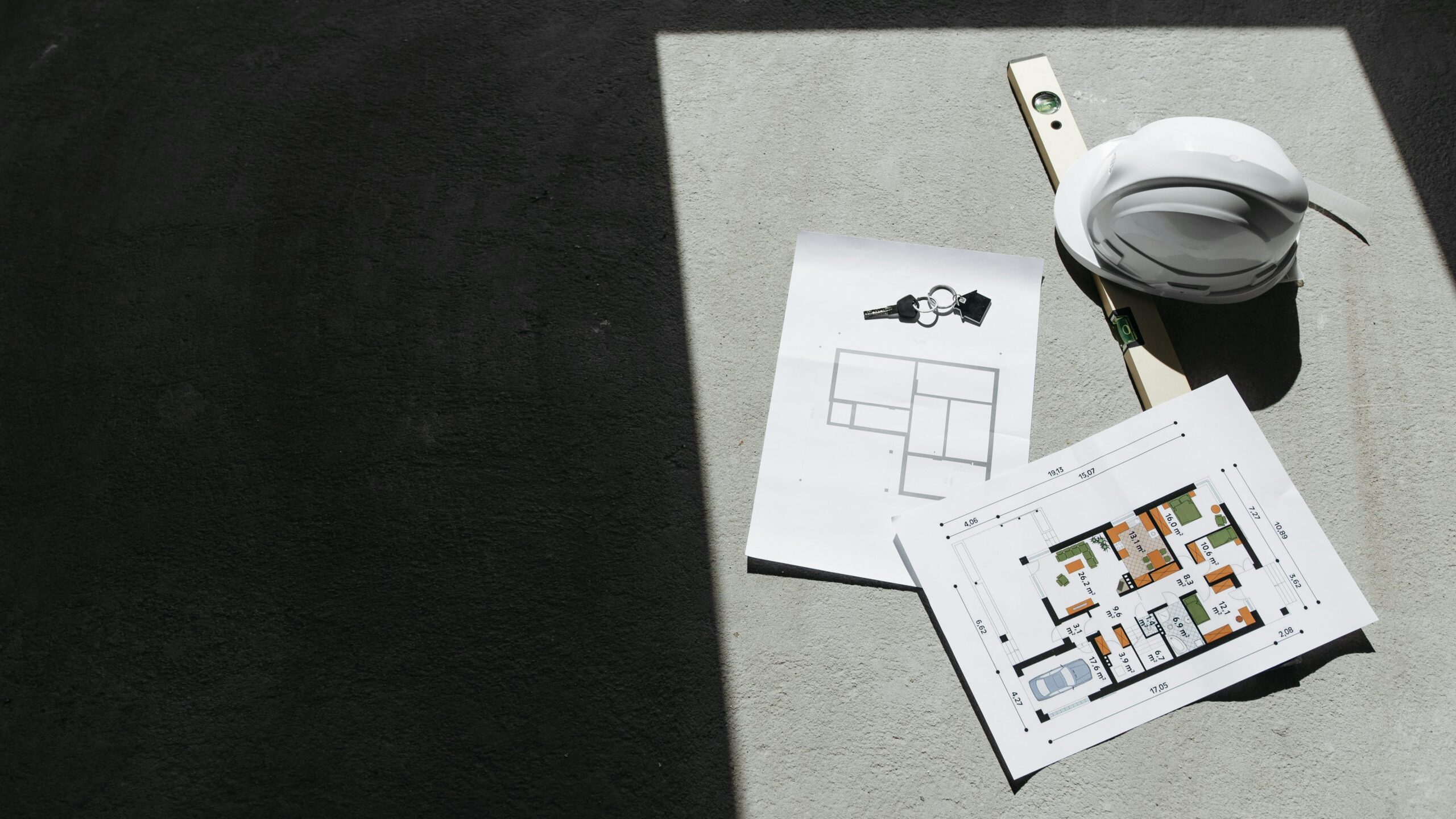
Site planning is a process that goes far beyond creating a timetable. It encompasses defining project phases, organizing teams and resources, studying materials and construction methods and forecasting technical and logistical risks.
Effective planning makes it possible:
- Organize the work schedule realistically;
- Anticipating technical needs and project adjustments;
- Synchronize the teams involved from the outset;
- Controlling costs and avoiding waste.
This process is the bridge between idea and execution – and when it’s done well, it allows the project to move forward smoothly and without surprises.
2. Impact of planning for architects and engineers
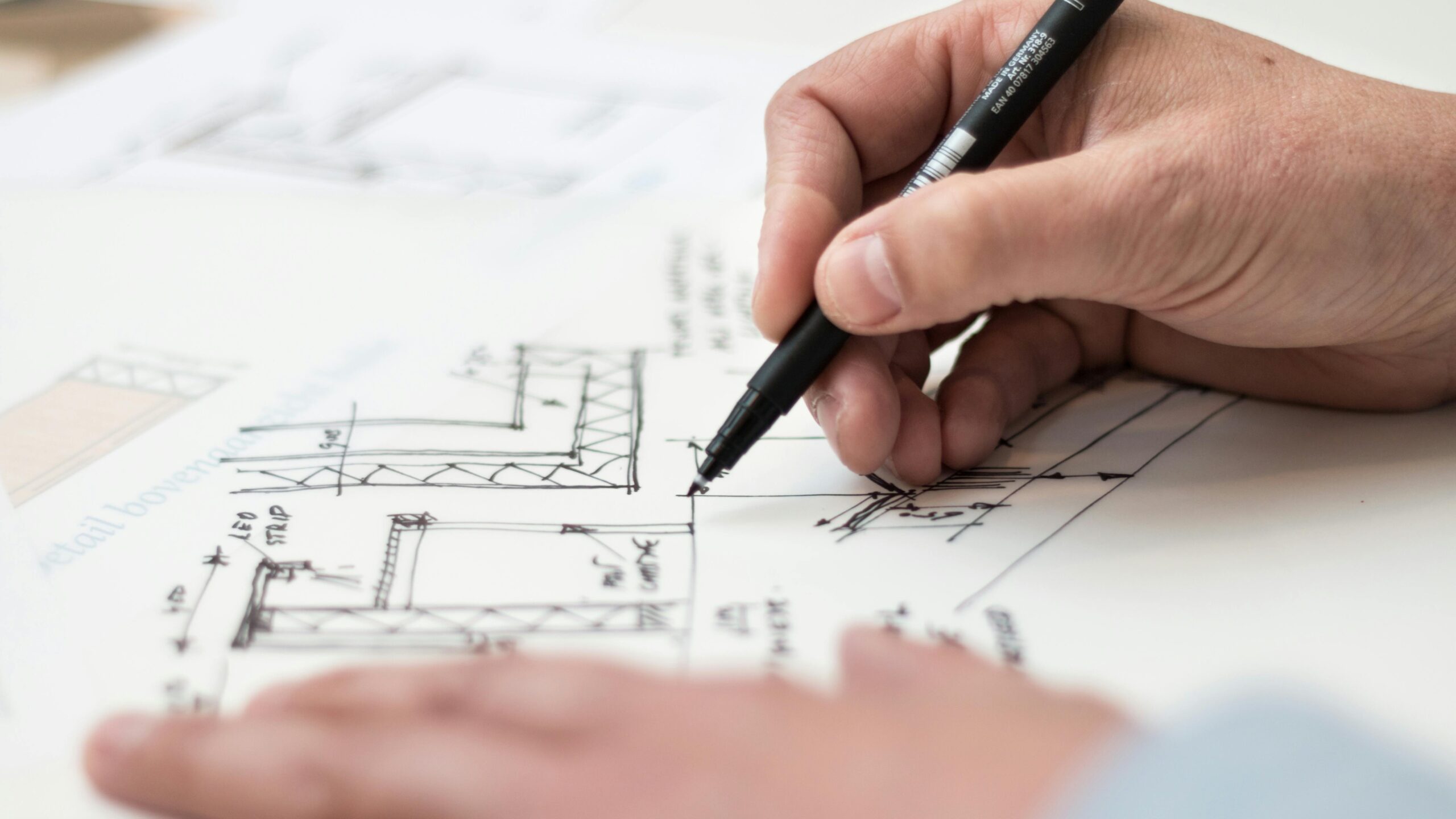
For architects and engineers, good site planning means the certainty that the technical decisions made on paper will be respected on the ground.
a) Reduction of rework
Miscommunication, misunderstandings or last-minute changes can jeopardize the coherence of the architectural project. With solid planning, each phase is organized to maintain the outline and integrity of the structural solutions defined.
b) Greater technical control
Detailed planning allows the engineer to have an overview of all the interferences and compatibility between systems, which avoids improvisations on site.
c) More efficient collaboration
When the construction team is involved early on in the process, it becomes easier to integrate technical knowledge and respond quickly to unexpected challenges, while respecting the architect’s creative choices.
3. Communication and alignment: the value for designers and real estate agents

Interior designers and real estate agents also reap clear benefits from well-structured site planning:
a) Space prepared for creativity
Designers work with very specific details and timings. Organized planning allows them to intervene at the right time, with the work ready to receive finishes, furniture and decorative elements.
b) Confidence to sell
Real estate agents who collaborate with organized teams are able to predict more accurately when properties will be ready for sale or visits, aligning commercial strategies with the construction schedule.
4. Site planning in the context of the Algarve

Building in the Algarve has its own specific characteristics that make planning the work even more essential:
- Market seasonality: Many clients prefer construction work to be finished before the summer, which requires strict deadlines.
- Municipal licenses with varying deadlines: Having local experience helps to anticipate any bureaucratic delays.
- Intense weather conditions: Extreme heat or humidity can affect certain phases of construction, requiring additional care.
A technical team that understands these particularities can plan realistically, avoiding delays and ensuring a high standard result.
5. What distinguishes a good partner in the planning phase

RoyalBuild believes that construction planning begins with active listening: listening to the architect, understanding the engineer’s vision, knowing when the designer comes into play and respecting the commercial strategy of the real estate company.
a) Rigor and transparency
A reliable partner presents detailed schedules, anticipates risks and is clear about the feasibility of each phase.
b) Continuous communication
Professionals value companies that keep the dialog open throughout the project – not only at the beginning, but also during revisions and adjustments.
c) Flexibility without losing focus
Unforeseen events exist, but planning allows solutions to be implemented quickly and without compromising the end result.
If you’re still structuring the start of the project and want to make sure you start with the right foundations, see also the article “Building a House: Essential Tips for Starting the Project“.
Strong projects are born from good planning
Construction planning is the starting point for any excellent project. For architects, engineers, designers and real estate agents, it’s where the pace, confidence and clarity are established so that each phase is carried out with quality and without surprises.
Do you have a project that requires organization, technique and commitment to detail?
Talk to the RoyalBuild team and find out how our involvement from the planning stage allows us to carry out rigorous work in line with the expectations of the most demanding professionals.