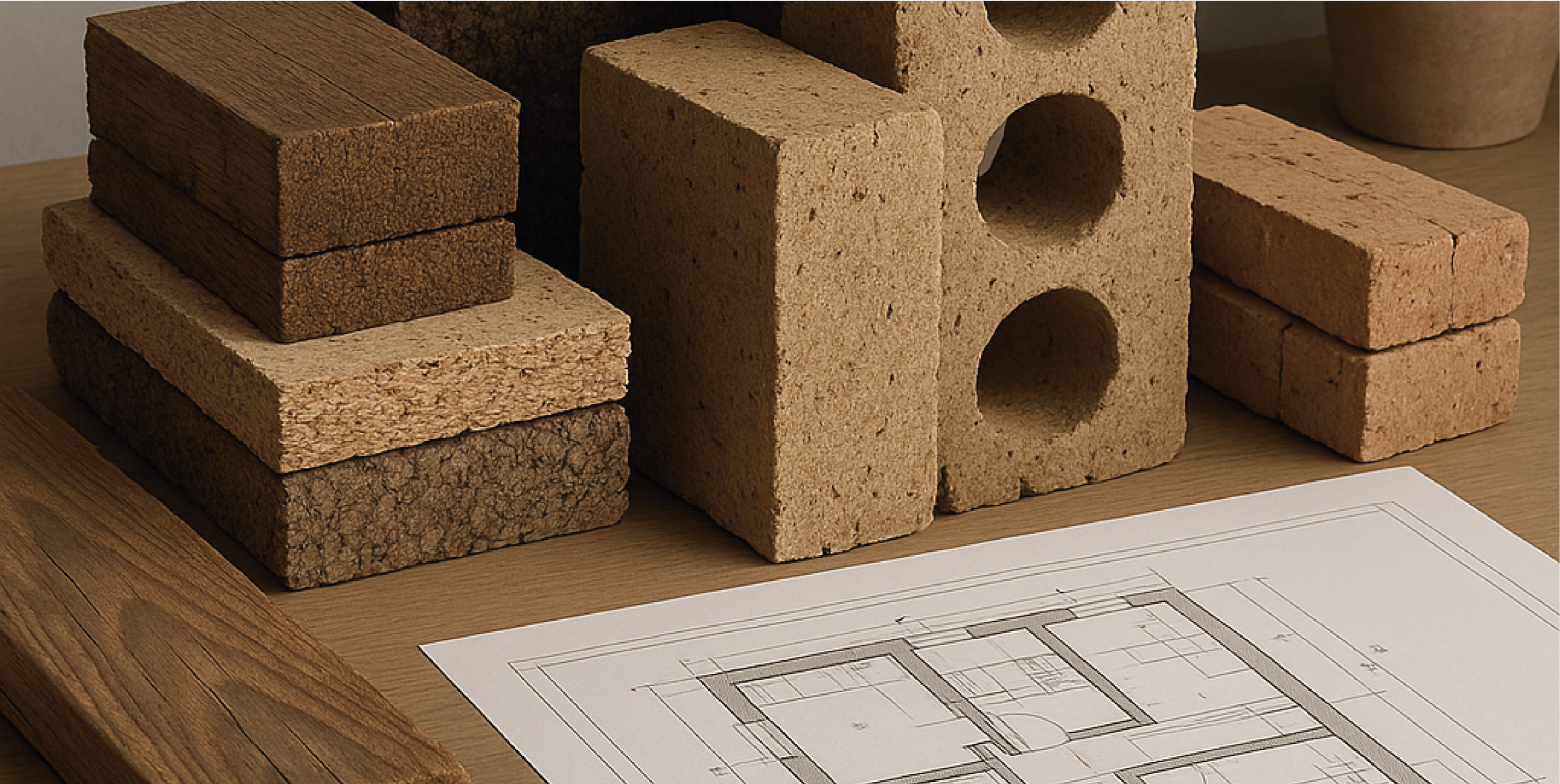
Construction using recycled materials is gaining prominence among professionals looking for more ecological, economical and innovative solutions. From planning to execution, this approach represents a conscious way of building, making the most of existing resources and reducing environmental impact.
In this article, we explain what buildings with recycled materials are, which materials can be used, how they affect the thermal and structural performance of projects and why they are becoming a strategic choice for architects, engineers and designers.
Contents
- What are buildings made from recycled materials?
- Advantages of using recycled materials in construction
- Main types of recycled materials used
- Sustainability and energy efficiency
- Rules and regulations to consider
- Examples of practical applications
- Implementation challenges
- How to choose the right materials
- The role of professionals in adopting this approach
- FAQ
- Building with awareness and innovation
1. What are buildings made from recycled materials?

Construction with recycled materials refers to buildings or structures that incorporate reused materials into their construction process. These materials can come from industrial waste, leftovers from other projects, or products that have reached the end of their useful life and have been transformed for a new use.
2. Advantages of using recycled materials in construction
There are many advantages:
- Cost savings: many recycled materials cost less than new ones.
- Less environmental impact: reusing means saving energy, reducing emissions and minimizing extraction of natural resources.
- Aesthetic originality: allows you to create projects with a unique personality.
- Environmental certifications: projects that use recycled materials are more likely to obtain certifications such as LEED or BREEAM.
3. Main types of recycled materials used
The list of available recycled materials is vast. Some of the most common include:
| Material | Origin | Applications |
| Recycled wood | Demolitions, old furniture | Flooring, cladding, decking |
| Recycled glass | Containers, windows | Worktops, mosaics, insulation |
| Recycled steel and iron | Industry, old works | Metal structure, reinforcements |
| Recycled plastic | Packaging, waste | Pipes, insulation, furniture |
| Recycled tires | Car waste | Flooring, soundproofing |
4. Sustainability and energy efficiency
By choosing to build with recycled materials, professionals are promoting:
- Reducing the ecological footprint
- Higher thermal efficiency (when using recycled insulation such as PET wool)
- Durability: many recycled materials undergo reinforcement processes
- Circular economy: extending the life cycle of resources
By choosing to build with recycled materials, professionals are promoting a more conscious architecture, with better thermal performance and a smaller ecological footprint.
For a more comprehensive approach, see also to include sustainable construction in projects.
5. Standards and regulations to consider
In Portugal, recycled materials used in construction must comply with technical safety and quality standards. European directives, such as EN 15804, regulate the life cycle of construction products. National legislation also requires certifications for certain reused materials, ensuring that they do not compromise structural integrity.
6. Examples of practical applications
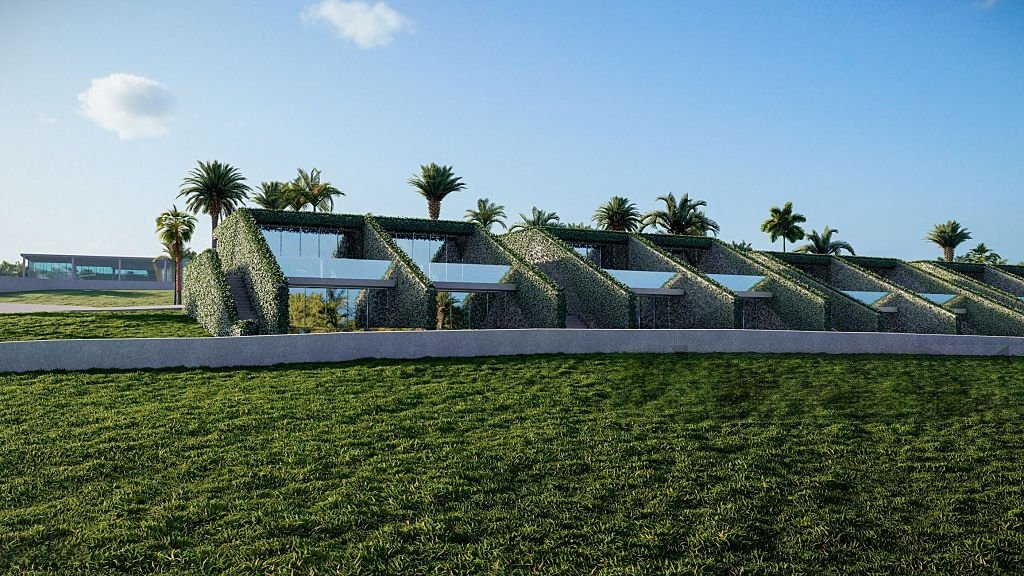
Some concrete examples of application:
- Rehabilitation of façades with reused wood cladding
- Green roofs with reused materials as a base
- Interior spaces with acoustic panels made from recycled textile fibers
- Decorating and interior design with recycled plastic furniture
7. Implementation challenges
Despite the advantages, there are obstacles:
- Availability of materials: not all suppliers have regular stock.
- Logistics and transportation: can be more complex due to the condition of the material.
- End-customer perception: there is still mistrust about durability.
- Technical compatibility: not all recycled materials are compatible with all types of construction.
8. How to choose the right materials
Before selecting any recycled material, it is important:
- Check origin and processing
- Apply for quality certification
- Assess suitability for climate and location
- Confirm resistance and durability
- Consult specialized suppliers
9. The role of professionals in adopting this approach
Architects, engineers and designers play a key role:
- In the conscious selection of materials
- Educating customers about the benefits
- The aesthetic integration of recycled materials into the project
- Leading sustainable practices in the construction sector
This commitment translates into more valued projects, recognized not only for their aesthetics, but also for their positive environmental impact.
FAQ
1 Are recycled materials safe for construction?
Yes, as long as they are certified and applied correctly, they meet the technical and structural requirements.
2. Is it cheaper to build with recycled materials?
In many cases, yes. In addition to the direct cost, there are tax benefits and advantages in certifications.
3. Where can I find suppliers of recycled materials?
In Portugal, there are already specialized distributors. You can consult Quercus or Circular Construction.
4. Can I use recycled materials in any type of project?
It depends on the type of construction and local regulations, but in general there are applications for almost all areas.
5. What is the difference between recycled and reused material?
Recycled material undergoes a transformation process. Reused material is applied as it is, with minor adaptations.
6. Does this approach affect the value of the property?
On the contrary: many sustainable projects are now more valued by consumers and investors.
Building with awareness and innovation
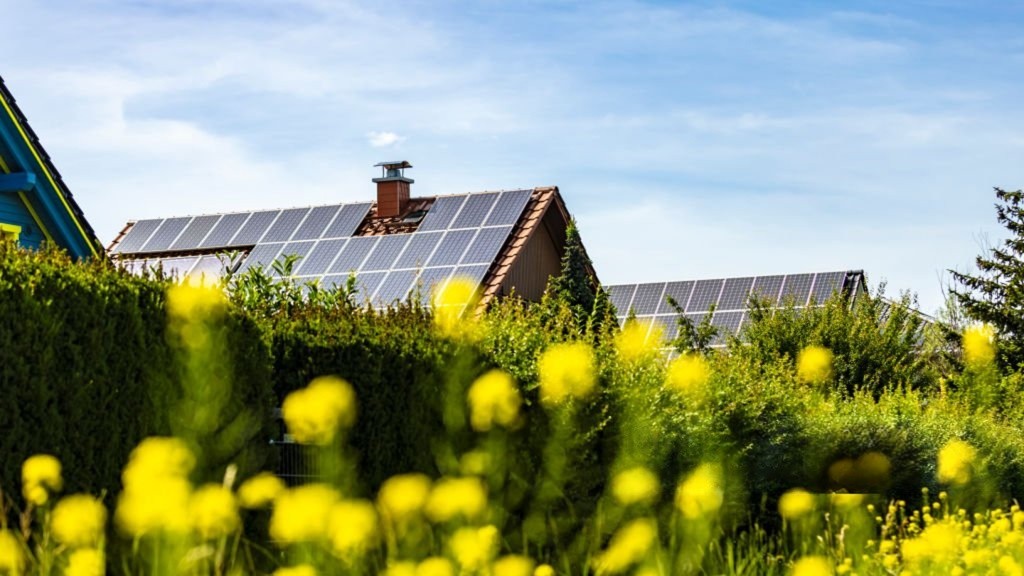
Building with recycled materials is more than just a trend, it’s an intelligent and conscious response to the needs of the future. Professionals who adopt this approach stand out for their innovation, responsibility and strategic vision.
Want to know how to apply this approach to your projects? Get in touch with RoyalBuild and find out how we can collaborate.