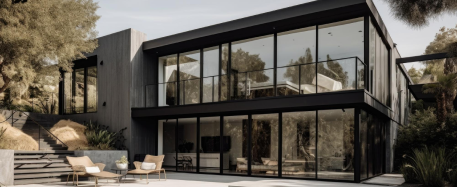
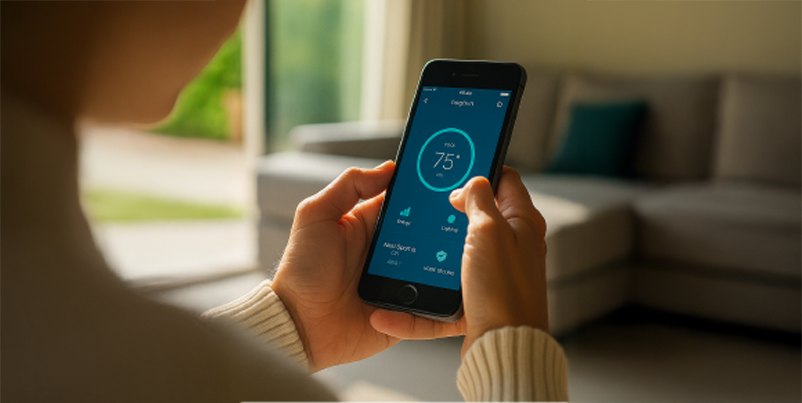
Technology is transforming the way we live, and the concept of the “smart home” is no longer a trend but a reality.
But what does having a smart home mean in practice? Who should consider this solution? And how do you ensure that comfort and innovation go hand in hand with safety and functionality?
In this article, we answer the main questions about smart homes and explain how to integrate them effectively and safely into a residential project, whether for your own use or to present to clients.
Contents
- What is a smart home, anyway?
- Who should consider a smart home?
- Why is security essential in a smart home?
- Which systems are essential for a functional smart home?
- How to ensure a safe and efficient installation?
- Is it possible to turn an already-built house into a smart home?
- When is it worth investing in a smart home?
- Advantages of a smart home in the Algarve
- The future of smart homes: what to expect?
- FAQ
- The next step towards a smarter home
What is a smart home, anyway?
A smart home is a residential space where devices and systems, such as lighting, air conditioning, security, appliances or sound, are connected and can be controlled remotely, usually via a smartphone, virtual assistant or central panel.
More than comfort, it’s about creating a home that thinks about and reacts to everyday needs, with greater energy efficiency, security and personalization.
Who should consider a smart home?
The answer is simple: anyone who values comfort, efficiency and security in everyday life can benefit from a smart home.
From permanent homeowners to investors in local accommodation, to real estate and construction professionals who want to enhance their projects with state-of-the-art technology.
For professionals, knowing how to integrate intelligent solutions is a competitive advantage. For individuals, it’s an investment that improves quality of life and home management.
Why is security essential in a smart home?
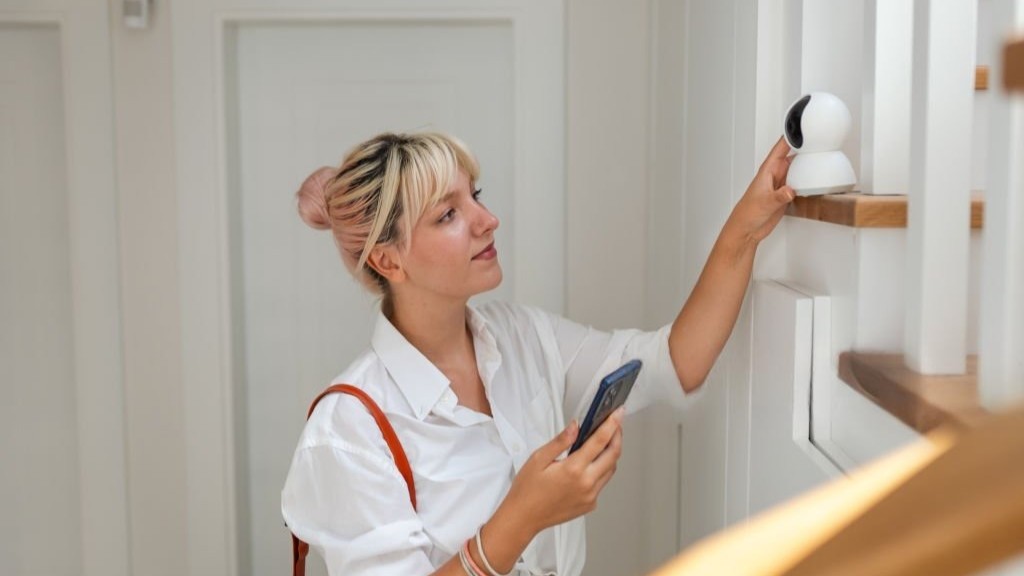
With so many devices connected to the internet, digital security is a major concern. Poorly protected systems can be vulnerable to intrusion, putting personal data and even physical control of the property at risk.
In addition, many traditional security systems are now connected – alarms, cameras and sensors – making it even more essential to ensure good cybersecurity practices and reliable integration.
Which systems are essential for a functional smart home?

Before moving forward with complex solutions, it is important to identify the most useful features in the context of each home. Some of the most popular include:
- Intelligent lighting (intensity adjustment, timers and remote control)
- Automated climate control, which adjusts the temperature according to presence or time of day
- Integrated security systems (alarms, cameras, motion sensors and smart locks)
- Voice assistants for quick commands and accessibility
- Energy management, with intelligent sensors and sockets that reduce unnecessary consumption
How to ensure a safe and efficient installation?
A smart home should not be a collection of individual gadgets, but an integrated ecosystem. Here are some good practices:
- Planning from the architectural project onwards: allows wiring, panels and connection points to be planned.
- Choose devices that are compatible with each other and with reliable platforms (such as Apple HomeKit, Google Home or Alexa).
- Installation by certified professionals, ensuring system stability and security.
- Regular software and firmware updates, which correct flaws and strengthen digital protection.
Is it possible to turn an already-built house into a smart home?
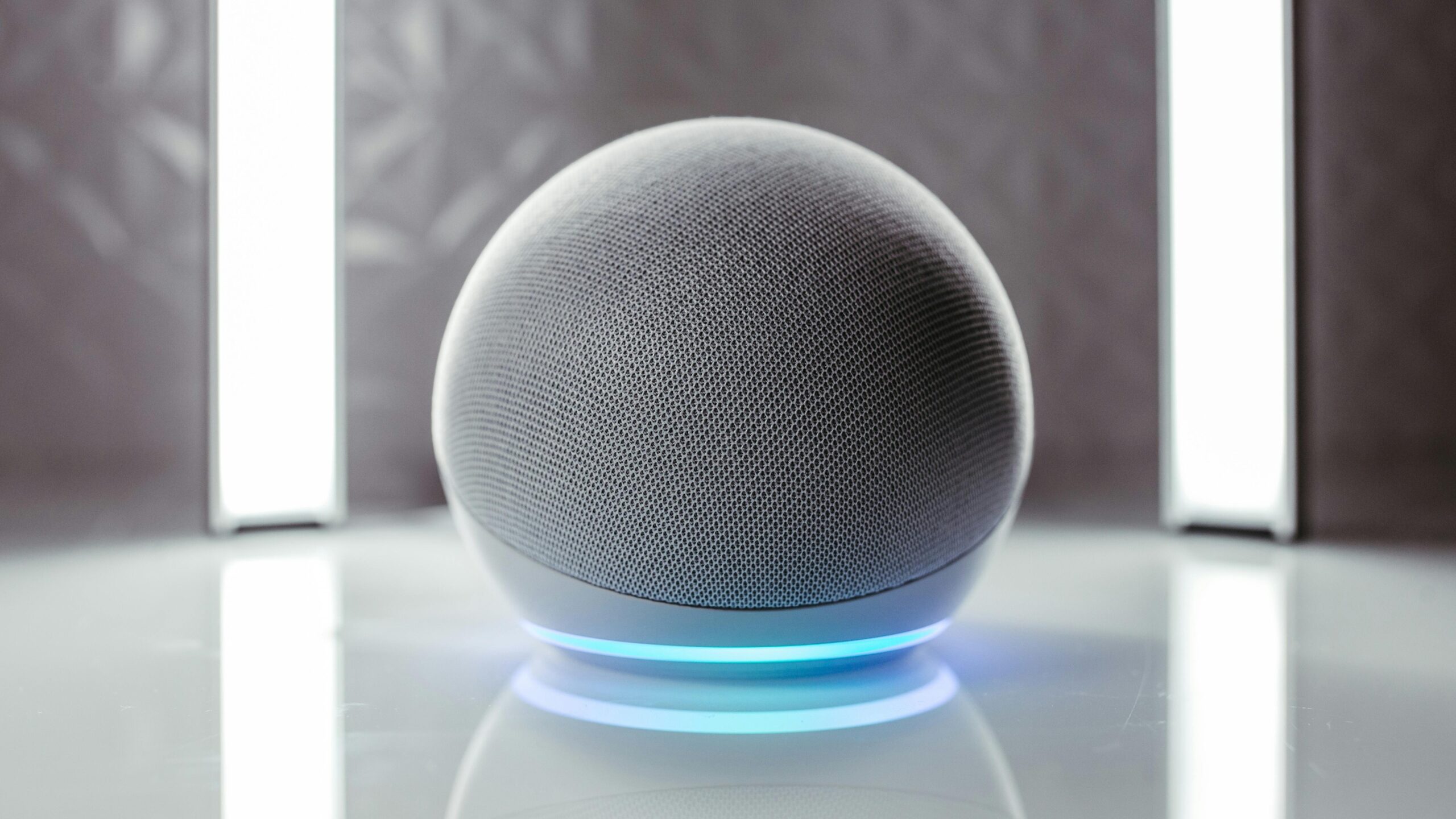
Yes. Even existing houses can be converted into smart homes relatively easily, thanks to the growing range of wireless devices such as:
- Wi-Fi switches and bulbs
- Security cameras with direct internet connection
- Sensors and portable assistants
However, it is important to carry out a prior technical assessment to ensure that the electrical and network infrastructure can support these integrations without compromising security.
When is it worth investing in a smart home?
There are three ideal times to consider integrating intelligent solutions:
- During the construction or renovation of a house – the ideal time to ensure adequate technical infrastructure.
- By renovating key rooms such as the kitchen or living room, which are home to a large number of connected devices.
- In short-term rental properties, where technology improves the guest experience and remote management.
Advantages of a smart home in the Algarve
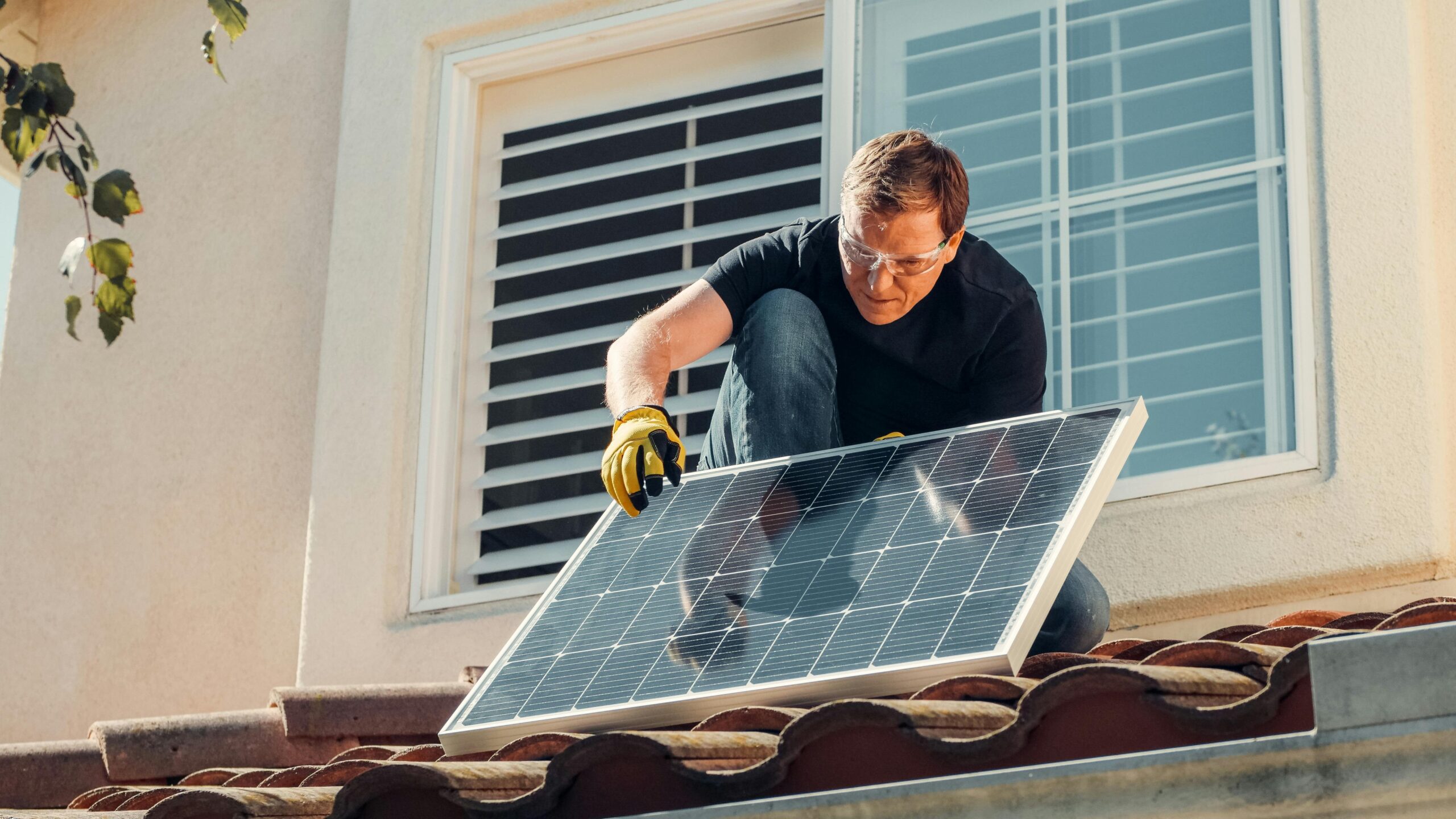
In the Algarve, where many houses are used as second homes or tourist accommodation, a smart home makes this possible:
- Remote monitoring during periods of absence
- Climate control for energy savings and comfort
- Greater appreciation of the property on the rental or sale market
- Integration with solar panels and irrigation systems, common in the region
These advantages are especially attractive to investors and professionals working in the Golden Triangle, where the demand for sophisticated and functional homes is high.
For a more in-depth explanation of how to incorporate home automation into your home, check out our article on smart homes in the Algarve.
The future of smart homes: what to expect?

Technological developments will continue to transform the concept of the smart home. Rising trends include:
- Automation with AI, which learns residents’ habits and preferences
- Voice and gesture interaction, with more natural commands
- Integrated sustainable solutions, such as energy management, natural light and air quality
- Biometric security, with facial or fingerprint recognition
Investing in a smart home today is also preparing the property for the future and this makes all the difference to the durability and value of the project.
FAQ
Does a smart home consume more energy?
Not necessarily. Automation makes it possible to optimize consumption, which can even reduce energy costs.
Do you need very fast internet?
Having a stable connection is important, but many devices work with ordinary broadband.
Can I start with just a few devices?
Yes, you can start with basic systems and expand over time according to your budget and needs.
The next step towards a smarter home
Creating a safe and functional smart home isn’t just a matter of technology, it’s a strategic choice for those who want to combine comfort, efficiency and security in their daily lives.
If you’re building or remodeling a house, think of the smart home as an integral part of the project. With the right planning, you can create a smart space, adapted to your lifestyle, ready for the challenges of today and tomorrow.
Talk to us. At RoyalBuild, we combine innovation, safety and functionality in every detail.