Does your house feel cold in winter and too hot in summer, even with the windows closed? The problem probably lies in the insulation, or lack of it. Interior thermal insulation is one of the most effective ways to make spaces more comfortable, reduce energy consumption and even increase the value of the property.
In this article, we explore what interior thermal insulation is, when to apply it, what the best materials are, how it works, and answer the most common questions from those who want to make their home or project more efficient. If you’re looking for a practical, intelligent solution with a long-term impact, you’re in the right place.
1. What is interior thermal insulation?
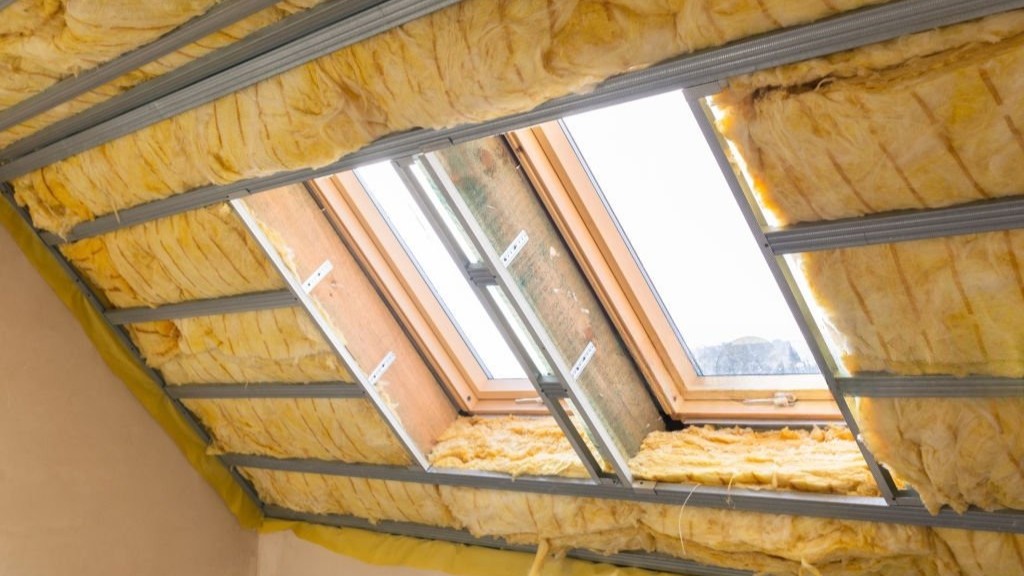
Interior thermal insulation consists of applying insulating materials to the interior surfaces of the house, walls, ceilings and floors, with the aim of reducing heat transfer between the interior and exterior.
It is especially used when it is not possible to intervene on the exterior façade, such as in historic buildings, townhouses or condominiums.
This type of insulation acts as a thermal barrier, keeping heat inside during the winter and blocking it out in the summer. The result is a more comfortable environment all year round, with less need for heating or cooling.
2. Why invest in interior thermal insulation?
Investing in interior thermal insulation brings immediate and long-term advantages. Some of the most important reasons include:
- Thermal comfort: Helps maintain a more stable interior temperature.
- Energy efficiency: Reduces the need to use air conditioning systems.
- Reduced energy bills: Less use of heaters and air conditioning.
- Smaller ecological footprint: Less energy is consumed and sustainability is achieved.
- Greater protection against humidity and condensation: Prevents structural and health problems.
This type of insulation is ideal for urban renovations, apartments and buildings where the exterior cannot be altered.
3. Most commonly used materials
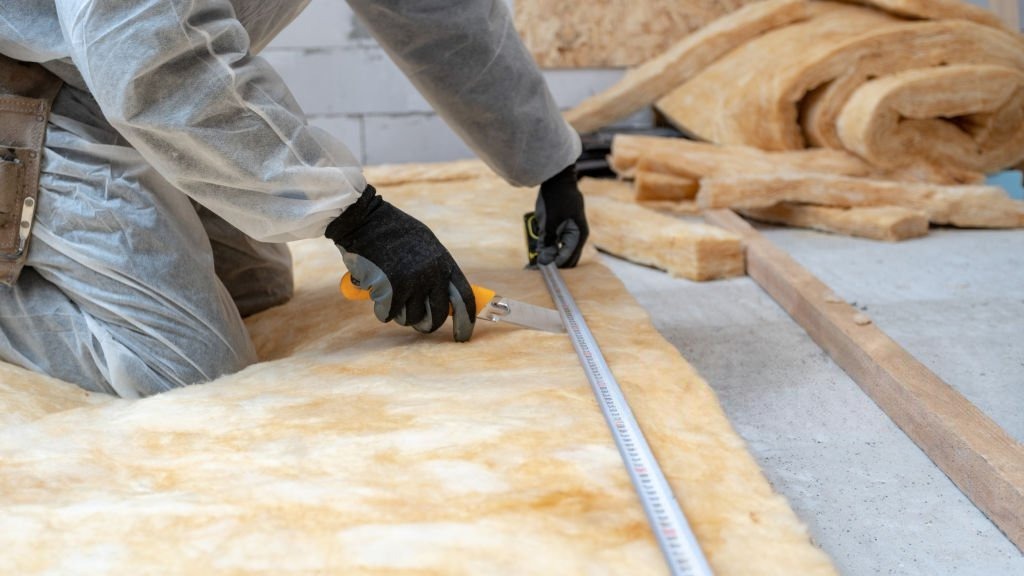
Choosing the right material depends on the space available, budget and thermal objectives. Here are the most common:
| Material | Advantages |
| Rock wool | Excellent thermal and acoustic insulation |
| Glass wool | Good value for money and easy to apply |
| Polystyrene (XPS/EPS) | High resistance to humidity |
| Cork | Natural, breathable and sustainable |
| Polyurethane (PUR) | High thermal efficiency at low thickness |
| Sheep’s wool | Ecological and humidity-regulating option |
These materials can be applied in sheets, rolls or projects, depending on the location and type of construction.
4. How to choose the best type of insulation
When choosing the ideal interior thermal insulation, take into account:
- Available wall or ceiling thickness
- Type of construction (new or refurbishment)
- Climate of the region
- Budget available
- Environmental concerns
Useful tip: Always consult the technical data sheet of products and prefer materials with environmental certifications such as the European Ecolabel or ISO certifications.
5. Priority areas for application
Not all areas of the house have the same thermal impact. These are the most critical areas:
- Exterior walls facing north or east
- Ceilings and roofs, especially top floors
- Floors over basements, garages or unheated spaces
- Partitions between spaces with large temperature differences
Acting in these areas results in a greater return on investment and a significant improvement in daily comfort.
6. Short- and long-term benefits
In the short term:
- Immediate comfort in isolated areas
- Reduced need for heaters or fans
- Reduction of humidity and mold on walls
In the long term:
- Property valuation
- Permanent reduction in energy bills
- Less need for maintenance and corrective work
7. Interior vs. exterior thermal insulation
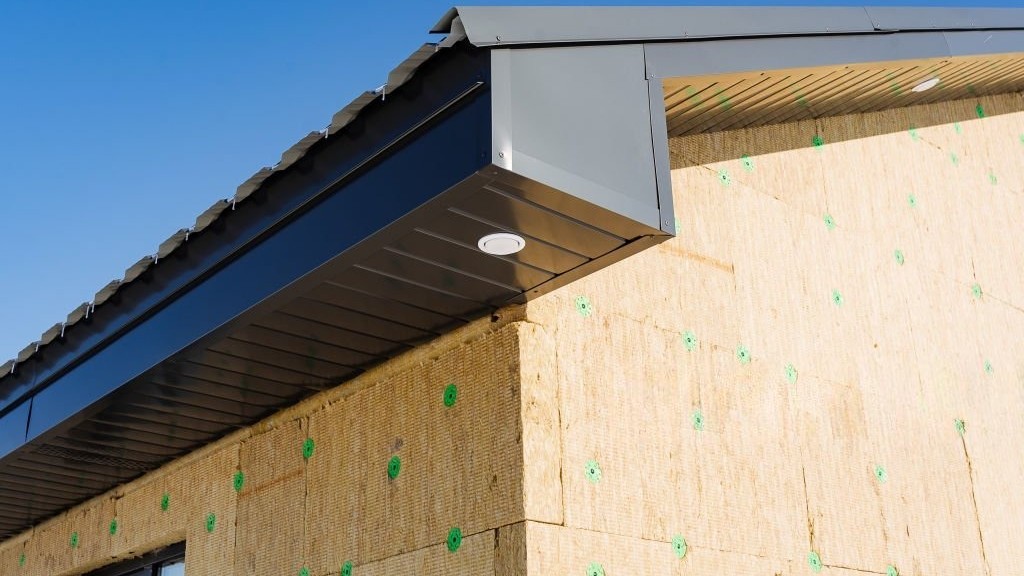
| Criteria | Inside | Exterior |
| Ideal for | Renovations or apartments | New buildings |
| Exterior aesthetics | No change | You can change the façade |
| Thermal efficiency | Good | Very good |
| Execution time | Quickly | It can take longer |
| Costs | More affordable | Generally more expensive |
Both solutions are effective, but the choice will depend on the type of work, legal or urban planning restrictions and project objectives.
8. Average costs and return on investment
The average price of interior thermal insulation varies between €25 and €60 per square meter, depending on the materials and the difficulty of application.
This investment can pay for itself in 3 to 5 years, due to the reduction in energy consumption. In addition, it may be eligible for tax incentives or energy efficiency support programs.
9. Maintenance and durability
When applied correctly, interior thermal insulation can last between 30 and 50 years. To ensure its longevity:
- Avoid drilling into insulated areas unnecessarily
- Protect against water leaks
- Regularly check roofs and windows, which can compromise efficiency
10. FAQ
1. What is the best interior thermal insulation for apartments?
Glass wool or polystyrene are practical and affordable options for small spaces.
2. Does interior thermal insulation help with sound insulation?
Yes, mainly materials such as rock wool and cork.
3. Is it possible to isolate just one room?
Yes, but comfort and efficiency are greater when applied throughout the house.
4. Is cork really effective?
Yes, it’s a natural material with excellent thermal and acoustic properties.
5. Can I install the insulation myself?
Some materials allow DIY application, but it’s best to consult a professional.
6. What is the impact on the property’s value?
The property becomes more efficient, comfortable and attractive to buyers.
Choosing Comfort Starts with Good Decisions
The thermal comfort of your home doesn’t have to be a technical challenge, it can be an opportunity to increase the value of your property, save energy and live better. If you’re thinking of renovating or building with a focus on interior thermal insulation, talk to us.
Get in touch with the RoyalBuild team and find out how we can make your projects more efficient, comfortable and future-proof.