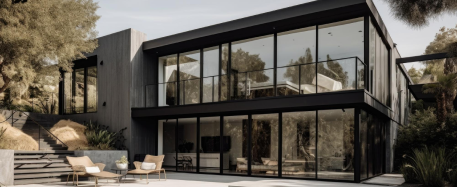
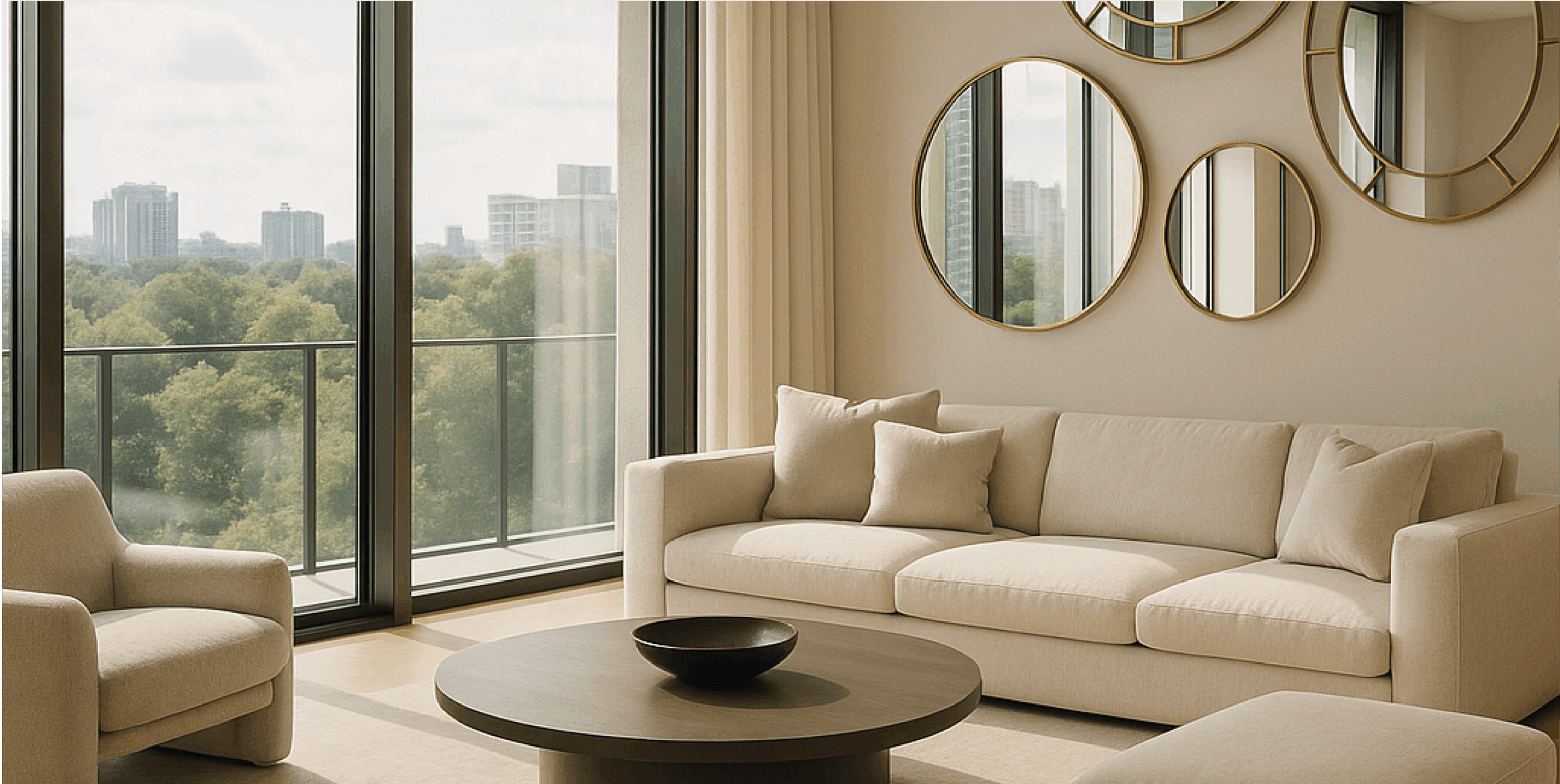
Having a home with little natural light can directly affect the comfort, aesthetics and even well-being of its occupants. That’s why finding solutions for homes with little light is a priority for many homeowners, tenants and interior design professionals.
In this article, we explore effective techniques for optimizing lighting in spaces, from simple and affordable options to structural solutions that make a difference. Whether you’re renovating, decorating or helping a client, this guide will help you make more informed and strategic decisions.
Contents
- What causes a lack of natural light in a house?
- Why is it important to solve this problem?
- Initial home lighting assessment
- Decorating strategies that reflect light
- Efficient artificial lighting solutions
- Colors and materials that increase luminosity
- Possible architectural interventions
- Plants and natural elements that help
- Practical tips for everyday life
- Frequently asked questions (FAQ)
1. What causes a lack of natural light in a house?
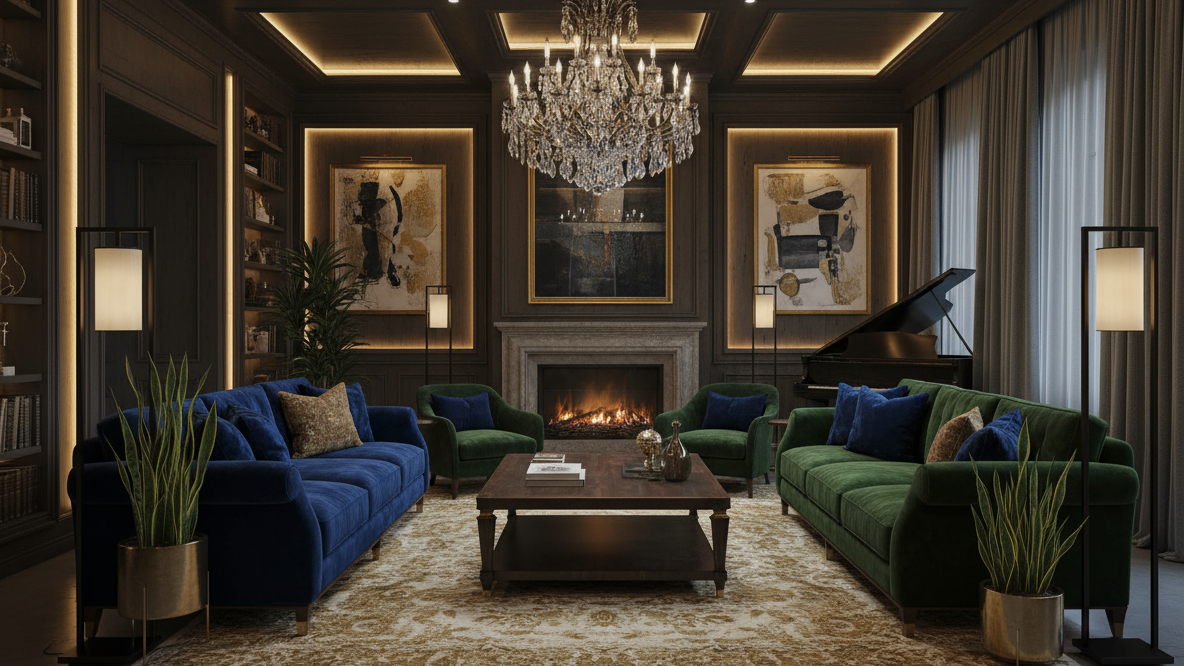
Several factors can contribute to a dark house, such as:
- Unfavorable orientation of the house (facing north);
- Small or blocked openings;
- Trees or tall buildings around;
- Colors and interior materials that absorb light.
Understanding the source of the problem helps to apply solutions for homes with low light more effectively.
2. Why is it important to solve this problem?
Poorly lit rooms tend to look smaller, colder and even less welcoming. What’s more, a lack of natural light can..:
- Affecting mood and productivity;
- Increasing the use of artificial light (and energy costs);
- Reduce the aesthetic and commercial value of the property.
Investing in appropriate solutions improves the comfort, functionality and health of occupants.
3. Initial assessment of the house lighting
Before applying any solution, it is essential to analyze it:
- Which rooms are darker;
- At what times is there the greatest lack of light?
- If the light is blocked by furniture or obstacles.
Make a photographic record and consider hiring a professional to assess the natural light.
4. Decorating strategies that reflect light
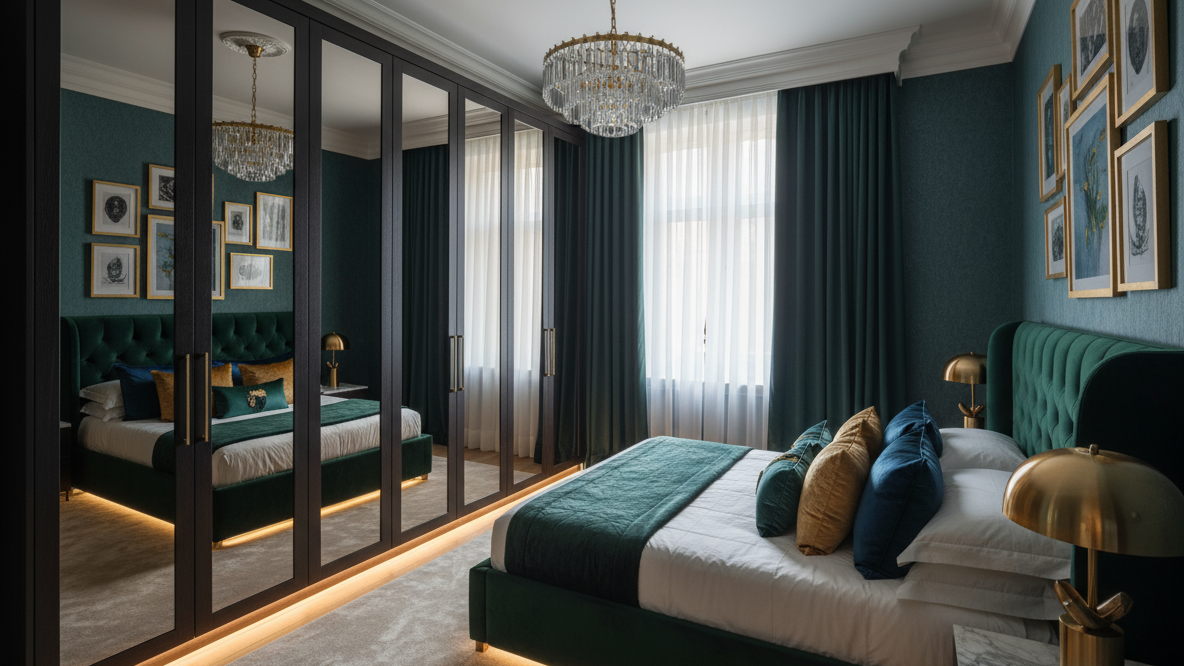
One of the most effective solutions for homes with little light is strategic decoration:
- Large mirrors: placed in front of or near windows, they double the available light.
- Glossy or lacquered surfaces: tables, cupboards or floors that reflect light.
- Glass or acrylic: glass furniture and partitions let the light through.
These decorative solutions require no work and make a significant difference.
5. Efficient artificial lighting solutions
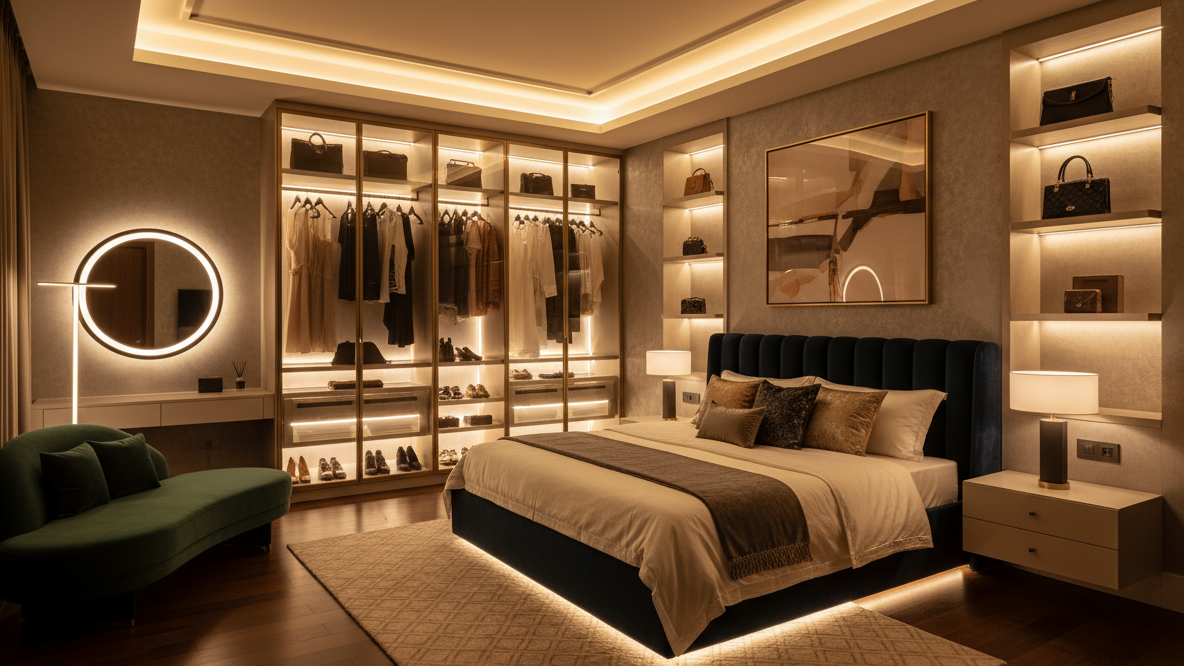
When natural light isn’t enough, artificial lighting has to take center stage:
- Layered lighting: combine general light (ceiling), task light (table lamps) and decorative light.
- Warm to neutral LED lights: make the space more comfortable.
- Sensors and dimmers: increase efficiency and adapt to use.
Tip: Use recessed lighting in shelves or crown moldings to avoid shadows. These options work as ideal complements to solutions for homes with little natural light.
6. Colors and materials that increase brightness
When it comes to solutions for homes with little light, light colors are among the most affordable and effective.
| House area | Recommended color | Why? |
| Walls | White, beige, light gray | They reflect more light and enlarge the space |
| Ceilings | Pure white | Increases the feeling of height |
| Furniture | Light wood, white | Prevents light absorption |
Avoid dark colors on large surfaces and opt for matt or satin finishes.
7. Possible architectural interventions
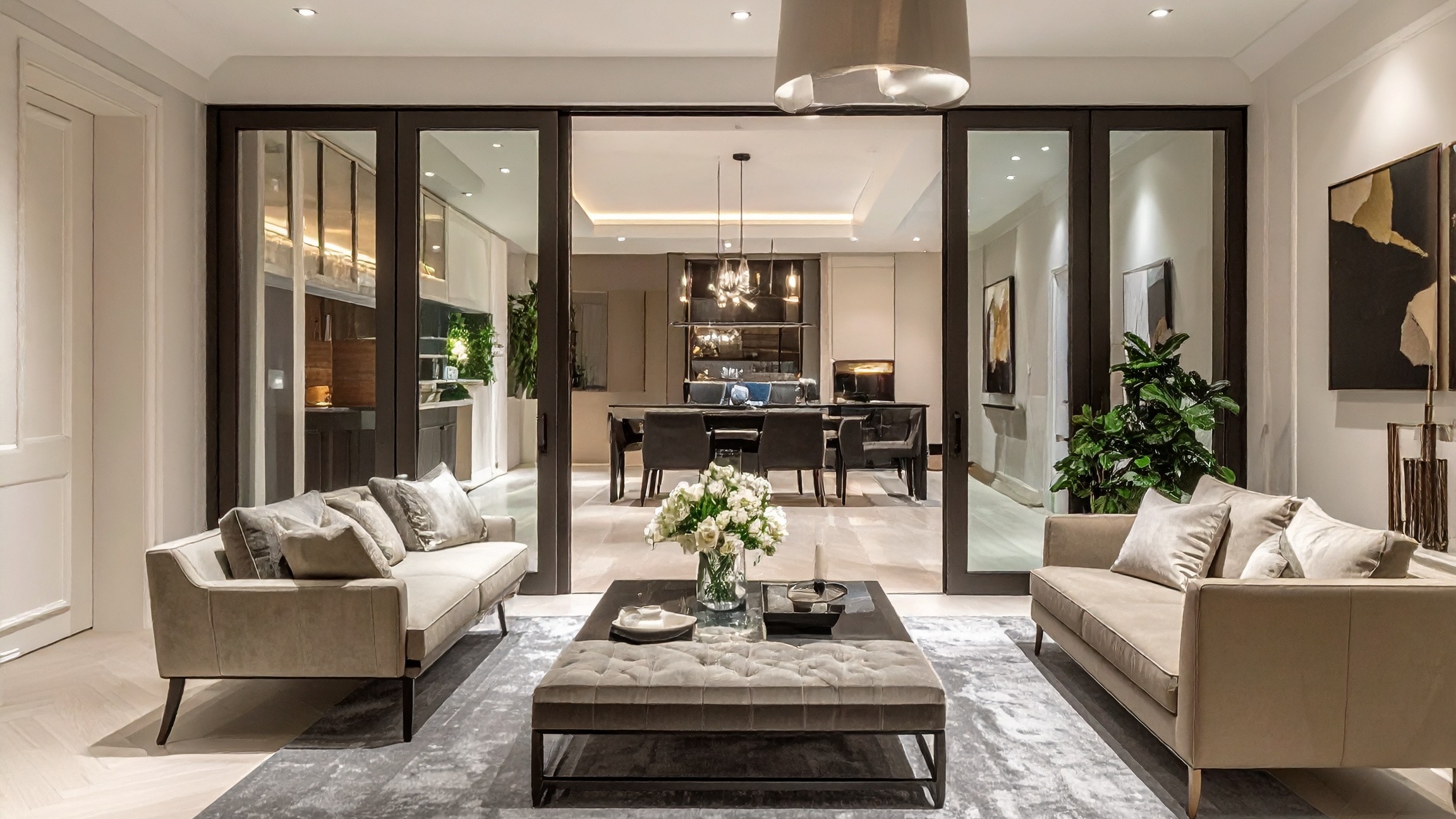
If you’re in the design or remodeling phase, some work can help a lot:
- Open gaps or skylights;
- Replace opaque walls with corrugated glass or glass blocks;
- Installing interior doors with glass;
- Create internal patios or winter gardens.
These solutions for homes with little light are more permanent and effective, although they require budget and planning.
8. Plants and natural elements that help
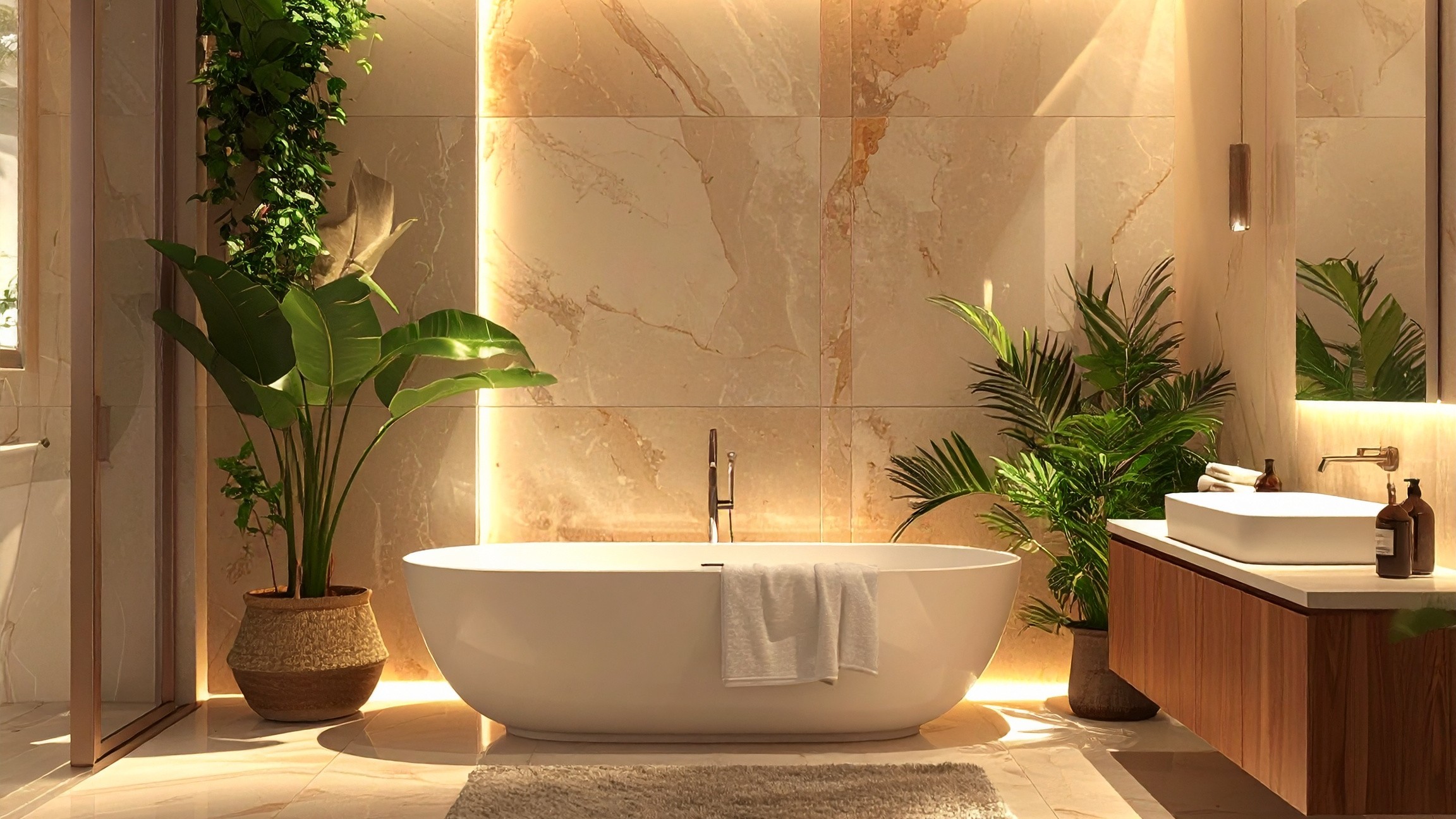
Yes, plants can help too! Prefer:
- Species that thrive in low light (e.g. zamioculca, peace lily, sansevieria);
- White vases or vases with light finishes;
- Position close to natural light sources to optimize the effect.
Plants bring life to the environment and reduce the feeling of enclosure.
9. Practical tips for everyday life
- Keep windows and curtains clean;
- Use translucent curtains;
- Avoid bulky furniture in front of windows;
- Organize spaces to maximize light sources.
These small changes are part of the solutions for homes with little light that don’t require major interventions. Small daily gestures make a big difference.
10. FAQ
1. Do dark curtains make the house darker?
Yes. Choose light, translucent fabrics in light tones so as not to block out natural light.
2. Can I paint the whole room white?
You can, but combine it with textures, art and wood so that it doesn’t look monotonous.
3. Do LED strips help illuminate dark spaces?
Yes, they are versatile, affordable and ideal for creating indirect points of light on shelves or furniture.
4. What kind of mirrors do you use to reflect light?
Large, flat mirrors, preferably frameless or with a clear frame.
5. How to use artificial light without making the space cold?
Use LED bulbs with a color temperature between 2700K and 3500K (warm to neutral).
Illuminate Your Space with Intelligent Solutions
If you are planning to renovate, decorate or build a brighter space, RoyalBuild offers solutions for homes with little light that combine functionality, elegance and well-being.
Contact us and find out how we can help your project gain more light naturally.